
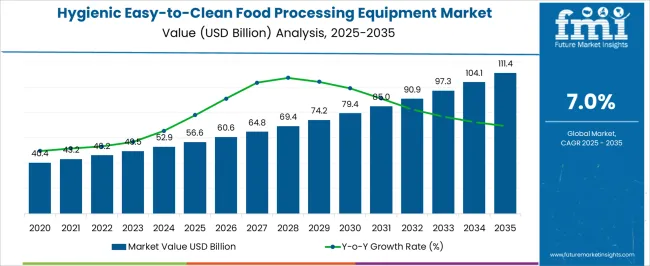
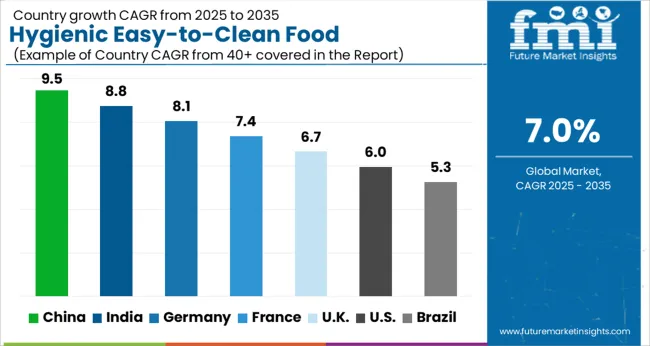
Imagine a pristine kitchen where all the surfaces shine, all the nooks are clean, and contamination is a relic of the past—entering a like space-age plant where cleanliness is baked into the fabric of production. In 2025 food processing, it's no longer a luxury, but a lifeline – sanitary easy-to-clean equipment – that fights increased food safety issues in the face of global recalls and stricter regulations. With more than 740 food and beverage recalls in 2024 alone, processors are looking to game-changing Cleaning In Place (CIP) equipment and high-tech materials to maintain purity without stopping production. While the industry for this machinery grows from $56.6 billion in 2025 to $111.4 billion in 2035, growing at a 7.0% CAGR, the trend is transforming hygiene as a corner of efficiency and confidence. What is driving the boom, and how is it transforming the industry?
The Hygiene Imperative: Safety in a Post-Pandemic World
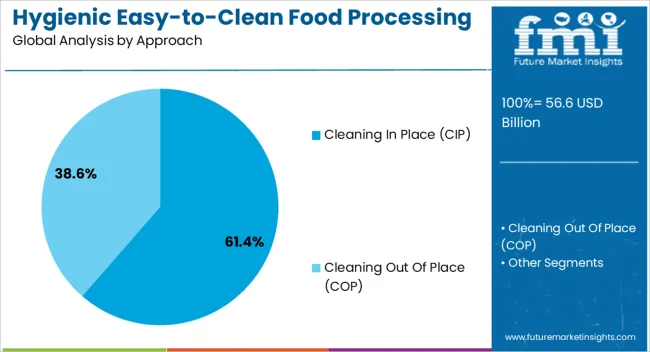
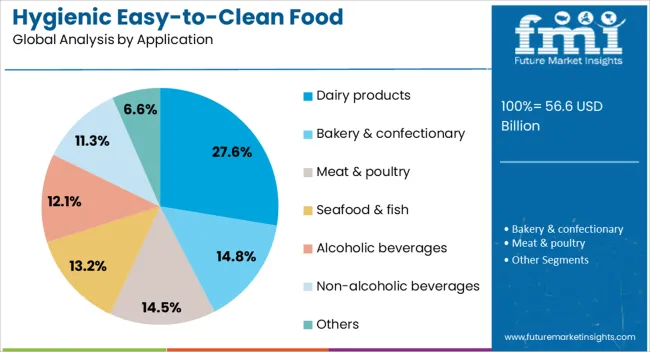
Food safety has never been so crucial. By 2025, when consumers are calling for transparency and regulators such as the FDA mandating traceability standards on foods such as leafy greens and cheeses, sanitary equipment is ablaze. The Cleaning In Place (CIP) trend leads the way with 61.4% market revenues through providing automated cleaning without dismantling, time saving, and minimizing labor risks. This is extremely critical in large industries such as dairy where the application segment is 27.6% of the market, which transforms milk into safe and healthy products.
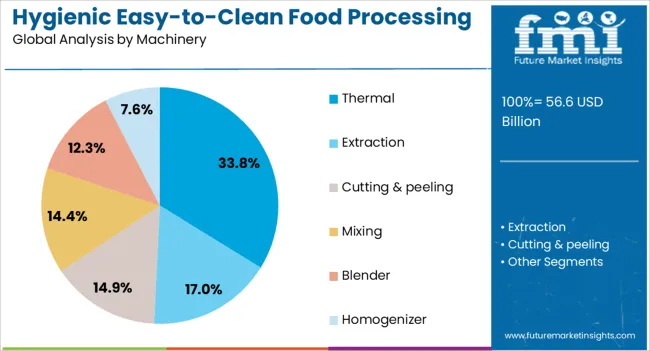
Thermal equipment is the market lead at 33.8% market share, with efficient systems for sterilizing and pasteurizing and offering hygiene controls. Antimicrobial coating of processing lines is a technology that inhibits bacterial growth, addressing problems such as listeria contamination that hit 2024 tough. In the strongest growing region of Asia-Pacific, manufacturers employ such technology to offer export-quality products because of urbanization and consumption of convenience foods. Result? Fewer recalls, reduced waste, and compliance that inspires consumer trust—68% of whom trust safe, clean-label foods.
Challenges, however, are plentiful. Mature markets in Europe experience high penetration but diminishing growth as infrastructure already exists, whereas North America is highlighting upgrades for environmentally friendly processing. The reward is great, however: CIP systems reduce cleaning time by 50%, increasing throughput in an industry where downtime equals millions.
Innovations Driving Hygienic Design
The forerunners are design and material innovations. Low-maintenance equipment has smooth, foamless surfaces that are non-adhesive, as well as sensors to monitor cleanliness levels in real time. Ultrasonic processing, a non-thermal method, employs high-frequency waves to kill impurities without chemicals, retaining nutrients and flavor in fruits, vegetables, and drinks. High-pressure processing (HPP) equipment such as the QIF 600L with a capacity of 600 liters maintains preservative-free foods by inactivating pathogens at extreme pressure.
New heat methods such as microwave and ohmic heating in processed food reduce nutrient loss during blanching, while radio frequency heating accelerates sterilization. All these technologies overcome the conventional shortcomings—loss of texture and flavor—by making healthier and tastier processed foods. Entrepreneurs are also getting innovative: India's BillionCarbon Solutions employs IoT-enabled bioreactors for quicker food waste disposal, linking cleanliness with sustainability by eliminating spoilage in processing lines.
Regional dynamics come into the cybersecurity narrative. Emerging markets skip ahead to clean technology in Latin America and Middle East & Africa through investments in scalable CIP units. Europe is driven by compliance, and energy-saving thermal solutions are the target. East Asia dominates robotic cleaning for precision.
Sustainability and Consumer Alignment
Sustainability and hygiene are entwined in 2025. Easy-clean equipment reduces water and chemical usage—CIP systems recover to 90% cleaning fluids—in line with environmental goals as food processing releases 3.3 billion tonnes of CO2 annually. This is attractive to 59% of consumers who want green brands. Bakery and confectionery companies are addressed by hygienic evaporators and dehydrators that conserve energy while ensuring purity, supporting the $106.2 billion food processing equipment market in 2030.
For animal food, a growth market, hygienic lines avoid cross-contamination in treat production to deliver premium, safe product specifications. Technology like PFA-coated mixers enables release of material and easy cleaning, perfect for allergens.
Barriers include budgetary constraints to SMEs, but government programs—like India's food processing initiatives—are making it easier to adopt. With increasing tariffs, local production with hygienic technology locks in diversified supply chains, making them stronger.
The Path to a Cleaner Future
The impacts are breakthrough. In meat processing, easy-to-clean tumblers and slicers reduce microbial risk, yielding safer products. Dairy benefits from CIP in fortification, offering micronutrient-supplemented milks. By 2035, the technologies will be the norm, with AI integration for predictive hygiene monitoring.
Clean, easy-to-clean equipment in 2025 is not only equipment—it's a promise of cleanliness, efficiency, and sustainability. As processors adopt these technologies, the industry moves closer to a cleaner, safer future, one clean surface at a time.
Source:
https://www.futuremarketinsights.com/reports/hygienic-easy-to-clean-food-processing-equipment-market
https://www.spgykj.com/en/article/doi/10.13386/j.issn1002-0306.2024090366
https://pmc.ncbi.nlm.nih.gov/articles/PMC10530031/