
Introduction
Hazard Analysis and Critical Control Points (HACCP) has stood as the global standard for food safety management for many years. NASA and Pillsbury created HACCP in the early 1960s to ensure the safety of food used in space missions. HACCP aims to prevent, identify, assess, and control food safety hazards. This system moves away from testing the final product and focuses on taking action throughout the production process. It deals with dangers from biological, chemical, and physical sources.In 2025, HACCP looks quite different, as it has an influence from new rules, tech progress, and worldwide health risks like pandemics and climate shifts.
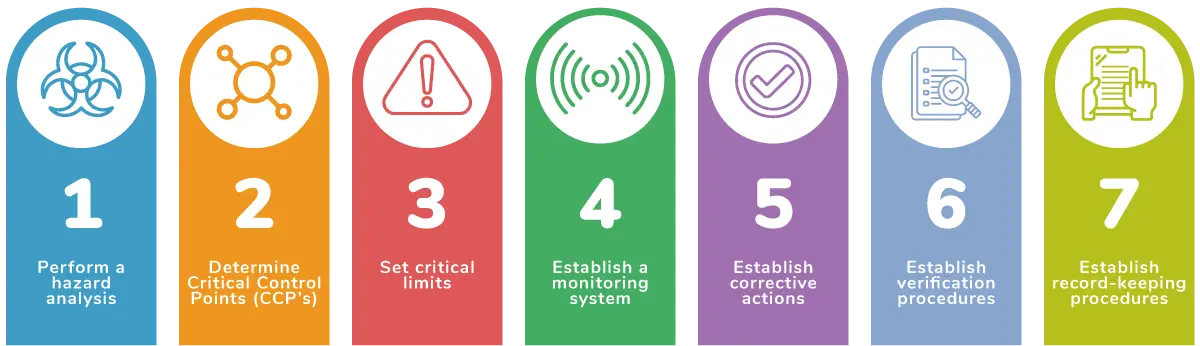
Today's HACCP is more than just a set of guidelines; it's a key part of bigger food safety plans such as those the U.S. Food Safety Modernization Act (FSMA) oversees. The seven core ideas—to spot hazards, set up critical control points (CCPs), define critical limits, keep watch, fix problems, check everything, and keep records—stay the same, but the scene in 2025 is all about going digital, following more rules, and always trying to get better. This change makes up for the growing complexity of worldwide supply chains. The World Health Organization (WHO) states that about 600 million people get sick from contaminated food each year. As food production becomes more industrial and global, HACCP programs are changing. They now use real-time data analysis AI, and IoT technologies to be more effective and quick to respond.

The current state of HACCP in 2025 shows a big shift towards preventive controls and strategies based on risk.In the US, the FDA and USDA updated their guidelines to match FSMA's preventive controls for human food rule. This rule was finalized in 2015 and has seen steady improvements since then. On the global stage, the Codex Alimentarius Commission, a joint FAO/WHO group, sets standards that many countries adopt to ensure consistency. This piece looks at the current state of HACCP food safety plans, including the newest regulatory changes how they work with technology, the challenges they face, and where they're heading.
Regulatory Updates Shaping HACCP in 2025
Government policies have been the main driver behind most of the HACCP updates set for 2025.In the US, the FDA FSMA still requires food safety programs that expand HACCP basics into Hazard Analysis and Risk-Based Preventive Controls (HARPC). Unlike the old HACCP, which looked at CCPs, HARPC takes a wider look at hazards and has preventive controls for allergens, cleaning, and supply-chain risks. The FDA's draft guide for preventive controls, updated in 2024 with more sections on heat-treated foods and allergen control, gives small companies some leeway but demands more detailed records.
The USDA Food Safety and Inspection Service (FSIS) has been quite busy in 2025 putting out many new generic HACCP models to help meat, poultry, and egg processors.In August 2025, FSIS introduced a model to handle fermented, salt-cured, and dried ready-to-eat products. This model aimed to tackle hazards like Listeria monocytogenes through extra validation and verification steps. At the start of June, they released two models for egg products, which included the newest pathogen testing methods for Salmonella. These updates show a stronger response to more frequent foodborne outbreaks.
FSIS emphasized better productivity by using electronic record-keeping to cut down on human errors. The rules for 2025 are tougher, with FSIS demanding more inspections and pathogen tests for high-risk pathogens such as Listeria and Salmonella.Food safety culture evaluations are now a must for facilities, and employee training goes beyond basic HACCP to include allergen identification and hygiene rules. The FDA's 2025 Guidance Agenda for the Human Foods Program looks at issues like traceability and preventive controls. It also suggests ways to avoid recalls that cost the industry billions each year.
On the global stage, Codex Alimentarius hasn't made big changes to HACCP for 2025, but its core ideas still shape worldwide standards. WHO's Global Strategy for Food Safety 2022-2030 pushes for HACCP use in less-resourced facilities, with tweaks to handle climate challenges. In Europe, the European Union's food safety law is moving closer to Codex, with a focus on prevention strategies similar to HARPC.Certifications like ISO 22000, which includes HACCP now have digital verification updates. The 2025 rules stress responsibility, with bigger fines for breaking rules as people demand more openness.
Technology Joins HACCP Plans
The game-changer for HACCP in 2025 is the addition of digital tech, which changes how food safety plans work and are watched. AI and IoT help predict problems and spot dangers in real-time. Digital platforms are taking over from paper HACCP plans. These new systems watch things on their own and cut out human mistakes making everything work better.
AI makes HACCP stronger by looking at tons of data to guess what risks might come up. For instance, machine learning models can predict how microbes grow based on changes in temperature warning workers before key limits get crossed. In 2025, AI-powered HACCP systems link up with supply chains using blockchain to track food from farm to table. This matters a lot for foods that go bad where IoT sensors keep an eye on things like moisture and pH as they happen.
Digital tools, like software in the cloud, make following rules easier by recording CCPs and creating reports ready for audits. Systems from companies like Squizify or IONI let people check things and fix problems using their phones. In food processing, AI makes preventive controls better, like guessing when machines might break down and add unwanted stuff to the food.
IoT devices built into production lines send constant data changing HACCP from reactive to proactive. For example, dairy plants use smart sensors to watch pasteurization temperatures sending app alerts if things go wrong. This fits with FSMA's focus on prevention, cutting recalls by up to 30% in places that use it. But use differs by area.
In rich markets like the U.S. and EU, over 70% of big processors use digital HACCP, while in growing economies, cost still stops some. Training now teaches digital skills, so workers can use these tools well. Bringing AI IoT, and HACCP together not makes food safer but also helps businesses work better using less waste and energy.
Global Perspectives and Challenges
Around the world, HACCP's position in 2025 depends on different rules and ongoing issues. In Asia and Africa, WHO and FAO push HACCP by building skills and dealing with loose food safety in informal markets. Codex standards set a benchmark lately focusing on controlling allergens and sustainability, which affects HACCP programs.
Challenges include cyber risks from digital systems where IoT weak spots could hurt data quality. Small and mid-sized companies struggle to use new tech due to high costs and lack of know-how. Climate change makes hazards worse, so HACCP plans need to adapt with measures like storage that can handle floods.
Equity poses another challenge; as wealthy nations take the lead with AI poorer regions lag behind and widen the global food safety divide. Joint efforts such as USDA backing for meat and poultry growth, aim to bridge this gap by financing equipment upgrades. Overall, HACCP's current status requires flexibility to address new risks like unfamiliar pathogens.
Future Perspective and Conclusion
Looking forward, HACCP in 2025 and beyond will rely more on AI to model predictions and blockchain to ensure foolproof traceability. As rules get stricter, blending with ESG standards will become the norm guaranteeing sustainable food safety. To wrap up, HACCP's position in 2025 continues to change blending old and new approaches to protect global food supplies.By combining tech advancements with well-crafted rules, the food industry can lower risks and build a safer tougher future.
Source: