
Genetically modified organisms (GMOs) have been at the center of food processing and agriculture for decades, offering higher yields, resistance to pests, and nutritional content. In 2025, the GMO landscape is still evolving based on regulatory shifts, market trends, and altering consumer attitudes. The U.S. Food and Drug Administration (FDA) upholds its long-standing position of GMO safety, but the Department of Health and Human Services (HHS), headed by Secretary Robert F. Kennedy Jr., pushes for reforms that potentially impact GMO-derived ingredients. The rising trend of non-GMO and non-ultra-processed food (Non-UPF) certifications, nonetheless, indicates growing consumer demand for openness and health-driven options.
FDA's Stance on GMO Safety
The FDA has continuously asserted that foods produced via genetic modification are as safe as those of their non-GMO counterparts, a position reiterated in its July 9, 2024, update on agricultural biotechnology FDA - GMO Crops, Animal Food, and Beyond. The FDA has already approved products such as AquAdvantage Salmon, a genetically modified fish that has accelerated growth, and GalSafe pigs, which are meant to have lower allergenicity. The FDA's decision process is based on scientific evaluations, where GMO foods are compared to traditional foods for nutritional similarity and safety. No major policy changes have been made up to 2025, but it is claimed by critics that the FDA's use of industry-provided data compromises its objectivity U.S. Right to Know - The FDA Does Not Test If GMOs Are Safe. This criticism has fueled public skepticism, which subsequently prompted calls to bring more stringent control.
HHS Secretary Kennedy's Regulatory Push
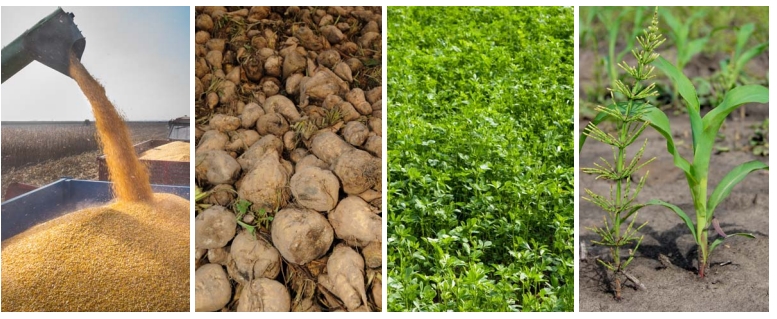
In a landmark move, HHS Secretary Robert F. Kennedy Jr. instructed the FDA on March 10, 2025, to weigh reforms in the Generally Recognized as Safe (GRAS) process HHS - HHS Secretary Kennedy Directs FDA to Consider Rulemaking to End Process by Which Companies Self-Certify Food Ingredients Are Safe. The GRAS program allows companies to approve food ingredients as safe on their own without mandatory FDA scrutiny, a practice critics argue is not transparent. Kennedy's memo aims to require companies to notify the FDA and provide safety data before using new ingredients, which might include GMO-derived ingredients like modified starches or oils Civil Eats - Kennedy Directs FDA to Consider Revising Controversial 'GRAS' Food Additive Regulations. While not specifically targeting GMOs, this legislation could further regulate GMO ingredients, which aligns with Kennedy's broader agenda to enhance food safety and consumer confidence.
Market Dynamics: GMO vs. Non-GMO
The GMO food market is growing, driven by farming efficiency and global demand. The global GMO food market is projected to increase to $272.28 billion by 2033 at a compound annual growth rate of 4.92% (Business Research Insights - Genetically Modified Foods Market Size [2025-2033]). Heavyweights like BASF SE and Bayer AG maintain their grip, employing genetic modification to enhance the robustness of crops. But the market for non-GMO foods is expanding even faster, to $476.08 billion in 2033, as consumers want natural and transparent products Finance Yahoo - Non-GMO Food Market Overview & Company Analysis Report 2025-2033.
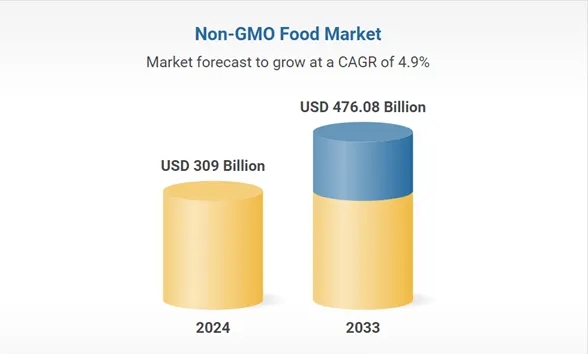
This is the expansion of two markets that points to a polarized consumer base. While GMO food offers cost and scalability advantages for processors, non-GMO food is attracting health-conscious consumers. In January 2025, the Non-GMO Project launched its "Non-UPF verified" label, targeting ultra-processed foods (UPFs) linked to health conditions including depression and hormonal imbalance Supermarket Perimeter - Non-GMO Project to Launch New Certification in 2025. According to surveys of consumers, 85% of them attempt to steer clear of UPFs, driving demand for minimally processed, non-GMO foods.
Influence on Food Processing Equipment
The GMO vs. non-GMO divide has significant implications for the food processing equipment sector. Non-UPF and Non-GMO certifications require dedicated production lines to prevent cross-contamination, requiring dedicated machinery like segregated conveyor and cleaning systems. Companies like Tetra Pak and JBT are changing by offering modular systems that facilitate contamination-free flexible processing. In addition, California's executive order of January 3, 2025, limiting UPF damage has accelerated investments in equipment for healthier food production, such as low-temperature pasteurizers and high-pressure processing (HPP) machinery California Governor's Office - Executive Order on Ultra-Processed Foods.
Consumer Trends and Industry Response
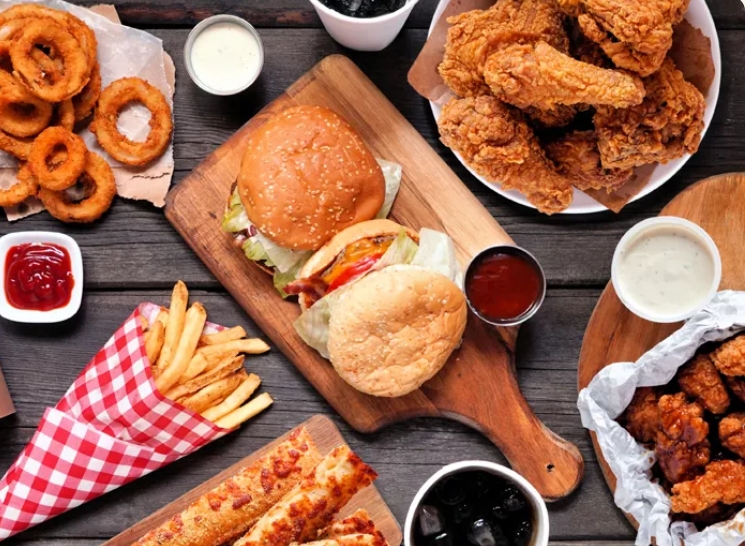
Consumer mistrust of GMOs prompted by social media channels like X has led to increased transparency by brands. X posts highlight user concerns about GMO health impacts, although science suggests that they are harmless. Food processors are responding by investing in traceability systems, such as blockchain-based equipment, to verify non-GMO status. These systems require advanced sensors and data analytics, spurring equipment development. Meanwhile, an increase in organic and plant-based food products, often non-GMO, increase pressure on efficient processing equipment that can adapt to varied ingredients without compromising quality.
Conclusion
In 2025, GMOs are still firmly ingrained in food production owing to the US FDA's safety approvals but face mounting pressure from regulatory change and consumer preferences. Kennedy's GRAS program can revolutionize analysis of ingredients derived from GMOs, and the rapidly growing non-GMO market heralds a shift towards health and transparency. The business of food processing equipment is reacting to these, with investment going into contamination control, traceability, and clean food making technology. As pressures from the market and regulation drive the equipment business to evolve, manufacturers must respond by having innovation deliverables serve the requirements of a polarized but health-oriented consumer base.