
The food processing equipment industry is experiencing robust growth in 2025, driven by technological advancements, rising global food demand, and shifting consumer preferences. Valued at $51.4 billion in 2024, the market is projected to reach $72.23 billion by 2032, with a CAGR of 4.4% Finance Yahoo - Food Processing Equipment Market to USD 72.23 Billion by 2032. Key drivers include automation, urbanization, and the integration of digital technologies like IoT and AI.
Market Growth and Key Drivers
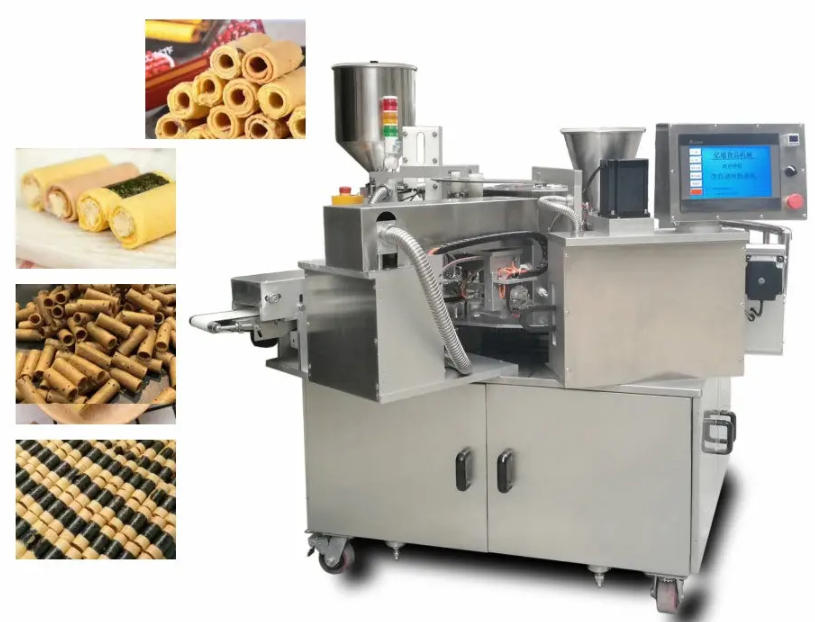
The global food processing equipment market is thriving due to several factors. Urbanization and rising disposable incomes have increased demand for processed and convenience foods, particularly in Asia-Pacific and North America. The prepared meals market, a significant driver, is expected to grow from $159.2 billion in 2023 to $305 billion by 2032, with a CAGR of 7.49% Allied Market Research - Prepared Meals Market Size, Share, Trends, Forecast 2023-2032. This surge necessitates advanced equipment for high-volume production, such as automated slicers, mixers, and packaging systems.
The global food processing equipment market is thriving due to several factors. Urbanization and rising disposable incomes have increased demand for processed and convenience foods, particularly in Asia-Pacific and North America. The prepared meals market, a significant driver, is expected to grow from $159.2 billion in 2023 to $305 billion by 2032, with a CAGR of 7.49% Allied Market Research - Prepared Meals Market Size, Share, Trends, Forecast 2023-2032. This surge necessitates advanced equipment for high-volume production, such as automated slicers, mixers, and packaging systems.
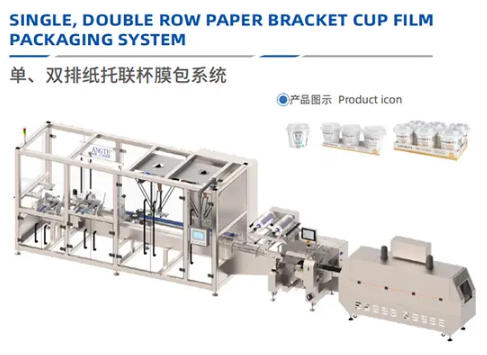
Automation is a major catalyst, reducing labor costs and improving efficiency. Companies like Marel and GEA Group are integrating robotics and IoT-enabled systems to streamline operations. Energy-efficient equipment is also gaining traction, driven by sustainability goals. For instance, SPX FLOW’s eco-friendly pasteurizers reduce energy consumption by 20%, aligning with global net-zero targets.
Technological Advancements
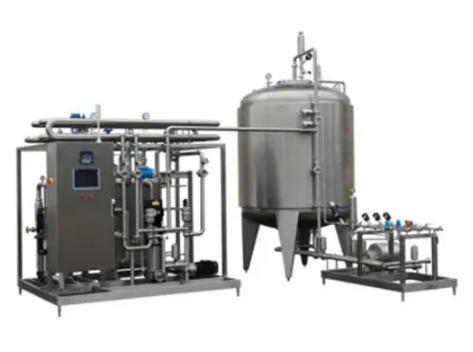
The integration of Industry 4.0 technologies is transforming food processing. IoT-enabled equipment allows real-time monitoring of production parameters, reducing downtime and ensuring quality. For example, Bühler’s smart milling systems use AI to optimize grain processing, improving yield by 5-10%. High-pressure processing (HPP) is another growth area, extending shelf life for products like juices and ready-to-eat meals without preservatives. The HPP equipment market is projected to grow at a CAGR of 6.2% through 2030 Food Processing Technology - HPP Market Trends, 2025.
The integration of Industry 4.0 technologies is transforming food processing. IoT-enabled equipment allows real-time monitoring of production parameters, reducing downtime and ensuring quality. For example, Bühler’s smart milling systems use AI to optimize grain processing, improving yield by 5-10%. High-pressure processing (HPP) is another growth area, extending shelf life for products like juices and ready-to-eat meals without preservatives. The HPP equipment market is projected to grow at a CAGR of 6.2% through 2030 Food Processing Technology - HPP Market Trends, 2025.
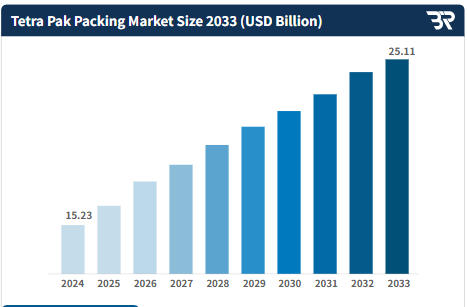
Traceability is critical in 2025, driven by consumer demand for transparency. Blockchain-integrated systems, such as those offered by Tetra Pak, enable end-to-end tracking of ingredients, ensuring compliance with safety and labeling regulations Tetra Pak - Blockchain Traceability Solutions, 2025. These advancements require significant capital investment but offer long-term cost savings and competitive advantages.
Regional Analysis
North America leads the market, with a projected CAGR of 5.29% through 2032, driven by high consumer spending and stringent safety regulations Finance Yahoo - Food Processing Equipment Market to USD 72.23 Billion by 2032. The U.S. accounts for 60% of the region’s market share, with companies like JBT and Middleby Corporation expanding their portfolios. Asia-Pacific is the fastest-growing region, with a CAGR of 6.1%, fueled by population growth and urbanization in China and India. Europe, while mature, is seeing increased demand for sustainable equipment, particularly in Germany and the Netherlands.
North America leads the market, with a projected CAGR of 5.29% through 2032, driven by high consumer spending and stringent safety regulations Finance Yahoo - Food Processing Equipment Market to USD 72.23 Billion by 2032. The U.S. accounts for 60% of the region’s market share, with companies like JBT and Middleby Corporation expanding their portfolios. Asia-Pacific is the fastest-growing region, with a CAGR of 6.1%, fueled by population growth and urbanization in China and India. Europe, while mature, is seeing increased demand for sustainable equipment, particularly in Germany and the Netherlands.
Challenges and Opportunities
Despite its growth, the industry faces challenges like high equipment costs and maintenance complexities. Small and medium-sized enterprises (SMEs) struggle to adopt advanced systems, prompting manufacturers to offer modular, scalable solutions Food Industry Executive - Challenges for SMEs in Food Processing, 2025. Additionally, supply chain disruptions, though less severe than in previous years, continue to affect component availability.
Despite its growth, the industry faces challenges like high equipment costs and maintenance complexities. Small and medium-sized enterprises (SMEs) struggle to adopt advanced systems, prompting manufacturers to offer modular, scalable solutions Food Industry Executive - Challenges for SMEs in Food Processing, 2025. Additionally, supply chain disruptions, though less severe than in previous years, continue to affect component availability.
Opportunities abound in plant-based and organic food processing, which require specialized equipment for gentle handling and contamination prevention. The plant-based meat market, valued at $8.3 billion in 2024, is driving demand for extruders and texturizers Plant Based Foods Association - Market Trends, 2025. Equipment manufacturers are also exploring circular economy models, such as leasing and refurbishing, to reduce costs and environmental impact.

Conclusion
The food processing equipment market is poised for significant growth through 2032, driven by automation, sustainability, and consumer demand for processed foods. Technological advancements like IoT, HPP, and blockchain are reshaping production, while regional dynamics highlight diverse growth opportunities. Manufacturers must balance innovation with affordability to cater to both large corporations and SMEs, ensuring the industry remains resilient in a dynamic global market.
The food processing equipment market is poised for significant growth through 2032, driven by automation, sustainability, and consumer demand for processed foods. Technological advancements like IoT, HPP, and blockchain are reshaping production, while regional dynamics highlight diverse growth opportunities. Manufacturers must balance innovation with affordability to cater to both large corporations and SMEs, ensuring the industry remains resilient in a dynamic global market.