
The food processing equipment industry is going through a tech renaissance with the integration of smart technologies, automation and artificial intelligence (AI). These advancements are transforming production lines, increasing efficiency and compliance with strict safety and quality standards. As consumer demand for processed food grows, manufacturers are using cutting edge innovations to stay ahead in a fast paced market.
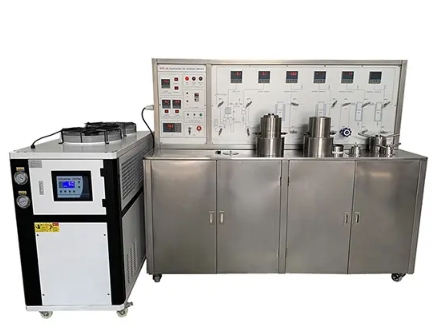
One of the biggest trends is the adoption of Internet of Things (IoT) and smart sensors. According to a June 2024 Mordor Intelligence report, IoT enabled equipment is revolutionizing food processing by enabling real time monitoring and predictive maintenance. For example GEA, a leading equipment manufacturer, launched a real time monitoring solution at the Anuga FoodTec trade show in March 2024. This system allows processors to track machine performance, detect potential failures before they happen and minimize downtime which can cost facilities thousands of dollars an hour. By integrating sensors that collect data on temperature, pressure and vibration these systems provide actionable insights to ensure optimal performance and reduce operational costs.
Automation is another game changer. In October 2023 Beak & Johnston, an Australian food processing company, launched a $110 million automated production facility that can produce 1 million meal solutions a week. This facility uses advanced robotics to handle tasks such as sorting, cutting and packaging, reducing labor costs and improving consistency. X posts from June 2025 highlight the rise of collaborative robots like RT Corporation’s Foodly, a humanoid robot equipped with AI powered vision systems. Foodly can identify and pick bulk ingredients with precision, streamline operations in high volume production environments. Another example is BurgerBots which uses ABB’s IRB 360 and YuMi collaborative robots to automate burger assembly from ingredient tracking to bun placement. These robots not only increase efficiency but also improve hygiene by minimising human contact with food.
Artificial intelligence is taking the industry to the next level. According to the 2025 Food Processing Yearbook, AI is being used for predictive maintenance reducing equipment failures by up to 30%. Beyond maintenance AI is driving product innovation by simulating flavours and nutritional profiles, allowing manufacturers to develop new products faster. For example AI algorithms can analyse consumer preferences and create optimized recipes, enabling companies to respond to market trends quickly. This is particularly valuable in the competitive snack and beverage sectors where innovation is critical.
Specific equipment innovations are making this happen.Ross Mixers launched a PFA coated ribbon blender in May 2025 with a 5-cubic-foot capacity to prevent contamination and ease cleaning. This is particularly important for allergen sensitive production lines. Mettler Toledo’s X52 Dual Energy X-ray system, also launched in May 2025, detects contaminants like glass, metal and plastic with unprecedented accuracy to meet food safety regulations. This is part of a wider industry trend towards precision and reliability.
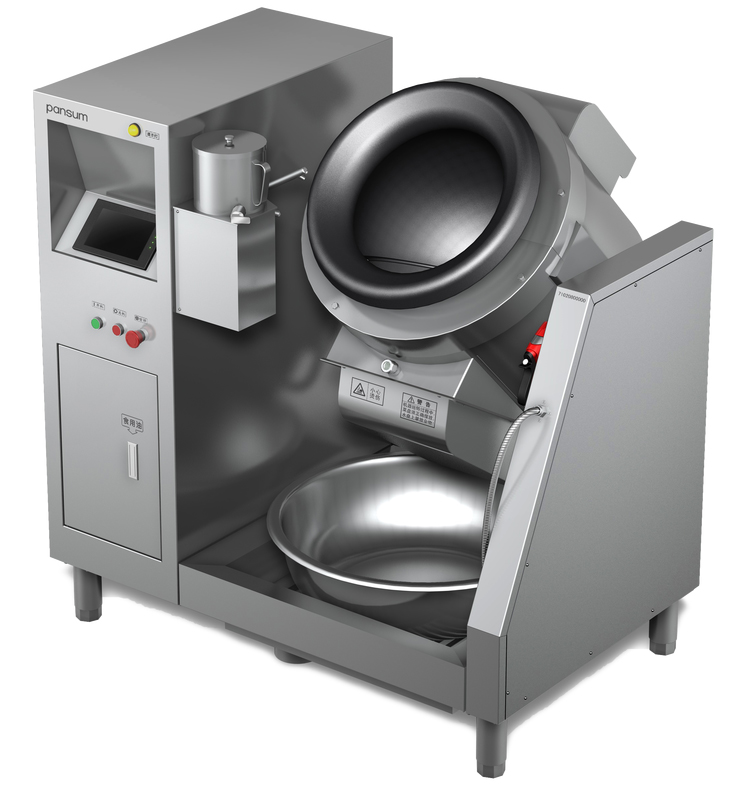
However there are challenges. The cost of smart and automated systems can be a barrier for smaller processors. Integrating these technologies requires skilled technicians and the industry is short of trained personnel. Despite these hurdles the long term benefits – reduced waste, lower operational costs and better product quality are driving adoption.
In summary the integration of IoT, automation and AI is changing the food processing equipment industry. As the technology evolves it will deliver more efficiency, safety and innovation and enable manufacturers to meet the demands of a growing global market. The future of food processing is smart, automated and transformational.