
The Digital Imperative in a Traditional Stronghold
Northeast China’s Heilongjiang Province produces 20% of the nation’s grain, yet its food processing equipment automation rate languished at 35%—well below the Eastern seaboard’s 70%. That changed when Jiamusi City hosted China’s Food Industry Digital Transformation Summit in July 2025, convening 100+ experts from Siemens, FANUC, and leading domestic firms like Dali Group and Shuanghui. The goal? To draft the "Fifteenth Five-Year Plan" for smart equipment while retooling the region’s 8,000+ food factories. The urgency is economic survival: labor shortages have caused 12% annual production loss in this aging demographic region.
Modular Solutions for the Real Economy
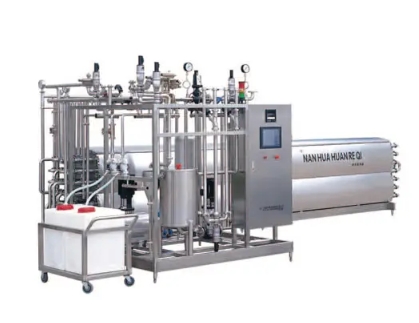
Siemens’ "Lean Digital Factory" concept dominated summit dialogues—a modular system allowing factories to phase automation investments. A dairy plant could start with sensor-enabled pasteurization vats ($120,000) before adding AI-driven packaging lines. Crucially, it’s designed for -30°C environments, a necessity in Heilongjiang. Meanwhile, FANUC’s showcase featured high-speed vision sorting robots that reduce noodle packaging labor by 90%—a revelation for Jiamusi’s wheat processors burdened by high turnover. These aren’t theoretical showcases; post-summit, 14 Jiamusi factories signed letters of intent with Siemens and domestic robot maker ATOM.
The Data Sovereignty Dilemma
As Jiamusi’s soybean cooperatives adopt IoT moisture sensors and cloud-based ERP, data governance emerges as a friction point. Provincial regulations mandate agricultural data storage within Heilongjiang—a challenge when using multinational platforms. Local solution provider Dongbei Smart AgriCloud now offers edge-computing devices that process field data locally before transmitting encrypted summaries to central servers. This hybrid approach satisfies regulators while enabling predictive maintenance for equipment like soybean sprouting machines.
Supply Chain Re-engineering: From Farm Gate to Export Dock
Digitalization enables unprecedented supply chain compression:
Smart Scheduling: Jiamusi’s rice mills now share equipment utilization data via provincial platforms, reducing idle time by 40%.
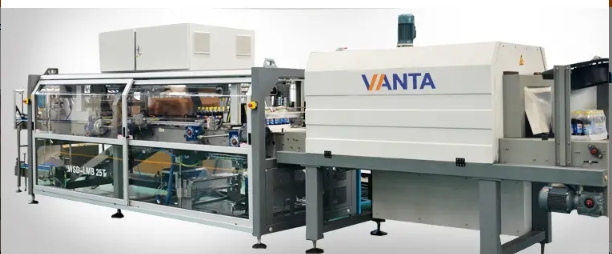
Quality Traceability: Blockchain modules in packaging machines let Korean buyers scan QR codes to verify non-GMO status—commanding 15% price premiums.
Precision Financing: Equipment usage data (e.g., operating hours of frying lines) feeds into AI credit scoring, allowing small processors to access loans previously reserved for state-owned giants.
The Human-Machine Balance
Contrary to automation stereotypes, Jiamusi’s transformation emphasizes "augmented workers." At Dragon River Foods, employees use AR glasses to troubleshoot intelligent steam cookers—reducing downtime by 65%9. Vocational schools now integrate "robot collaboration" courses, anticipating 50,000 new technician jobs by 2028. This human-centric approach distinguishes Northeast China’s path from fully automated Western factories—a pragmatic adaptation to its labor realities.