


As a key piece of equipment in modern packaging production lines, self-adhesive labeling machines can efficiently complete product labeling tasks. However, neglecting safety precautions during use may not only damage the equipment but also pose a threat to the life safety of operators. The following will elaborate on the safety precautions for the use of self-adhesive labeling machines in detail from four stages: pre-operation, in-operation, post-operation, and daily maintenance.
I. Safety Preparation Before Operation
Equipment Inspection and Confirmation
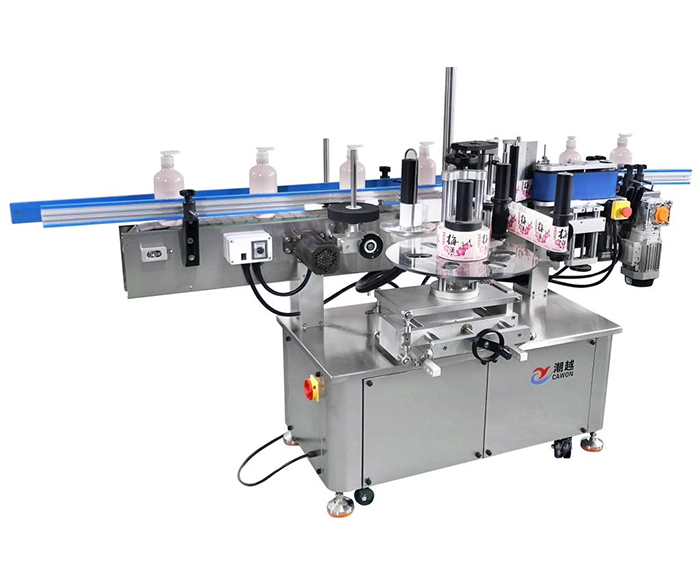
Before starting the machine, a comprehensive inspection of the equipment must be conducted to ensure all components are in normal condition. For the mechanical part, check whether the protective devices of rotating components such as drive wheels, conveyor belts, and labeling rollers are intact, and whether the screws are tightened to prevent components from loosening and falling off during operation. For the electrical part, inspect whether the power cords, plugs, and sockets are damaged, whether the grounding is reliable, and whether the buttons and indicator lights on the control panel are functioning properly. At the same time, confirm that consumables such as self-adhesive label rolls and label peeling plates are installed correctly without skewing or jamming, to prevent equipment jamming or label breakage caused by misaligned consumables during operation.
Operator Protection Preparation
Operators must wear specified protective equipment, such as non-slip work shoes and protective gloves. Those with long hair should tie it up and wear a hairnet to prevent hair from being entangled in rotating components. Wearing scarves, bracelets, and other easily entangled accessories is prohibited to avoid safety accidents caused by accessories being caught in the equipment. Before operation, operators should remove loose clothing parts (such as cuffs and 衣角 hems) that may be entangled, ensure a safe distance between their bodies and the machine’s rotating components, and complete personal protection preparations.
II. Safety Norms During Operation
Standardized Operation
Start, operate, and stop the self-adhesive labeling machine in strict accordance with the operating procedures. Before starting the equipment, ensure all safety protection devices (such as guardrails and safety doors) are in normal working condition. During operation, it is strictly forbidden to insert hands or other objects into the equipment’s hazardous areas (such as transmission components and labeling heads) to prevent accidents like pinching or cutting. If the equipment produces abnormal noises, vibrations, or alarm signals during operation, stop the equipment immediately and notify professional personnel for maintenance.
Material Handling
When adding self-adhesive labels or replacing label rolls, follow the correct operation methods to prevent labels from getting stuck or wrapped around the equipment. At the same time, pay attention to the specifications and quality of the labels to ensure they meet the equipment’s requirements, avoiding impacts on the normal operation of the equipment and labeling quality due to label issues.
III. Thorough Cleaning After Operation
Equipment Cleaning
After operation, clean the self-adhesive labeling machine in a timely manner. Wipe the equipment surface with a clean soft cloth to remove dust and stains. For internal components of the equipment (such as the transmission system and labeling head), use dedicated cleaning tools for cleaning to ensure no residual label fragments or impurities remain inside the equipment.
Item Replacement and Storage
Organize and store used tools, remaining labels, and other items in their designated positions to keep the work area clean and orderly. Meanwhile, turn off the equipment’s power supply, air supply, etc., to ensure the equipment is in a safe state.
IV. Safety Key Points for Maintenance
Safety Measures for Regular Maintenance
During daily maintenance or regular inspections, the equipment’s power supply must be cut off first, and a warning sign should be hung at the power switch to prevent others from starting the equipment by mistake. When disassembling protective covers and transmission components, use appropriate tools and follow the sequence of operations; avoid forced disassembly, which may cause component damage or personal injury. After maintenance is completed, all components must be reinstalled correctly—especially the protective devices, which must be secure and reliable. Do not omit or simplify installation steps to ensure the equipment is restored to a safe operating state.
Specifications for Lubrication and Cleaning
When lubricating the rotating parts of the equipment, use the specified type of lubricant in an appropriate amount. Avoid excessive lubricant spilling and contaminating labels or the equipment surface, and prevent lubricant from getting on the operators’ hands (which may cause slipping). When cleaning the equipment, use a dry cloth or dedicated cleaning agent; never rinse electrical components directly with water to prevent moisture from entering the circuit and causing short circuits or electric shocks. During the cleaning process, check whether there are sharp edges or protrusions on the equipment surface, and handle them promptly to prevent scratches on operators.
Summary
The safe use of self-adhesive labeling machines requires operators to make adequate preparations before operation, strictly abide by norms during operation, carefully clean the equipment after operation, and attach importance to daily maintenance. Only by fully implementing these safety precautions can the safe and stable operation of self-adhesive labeling machines be ensured, production efficiency be improved, and the life safety of operators be protected.