


In the production process of wine products, liquid level detection is a crucial step to ensure product quality and consistency. For wine products in glass bottles and ceramic containers, traditional liquid level detection methods often have many limitations, such as being greatly affected by container material and transparency, low detection accuracy, and inability to achieve non-contact detection. However, X-ray inspection technology, with its unique advantages, has shown great application potential in this field.
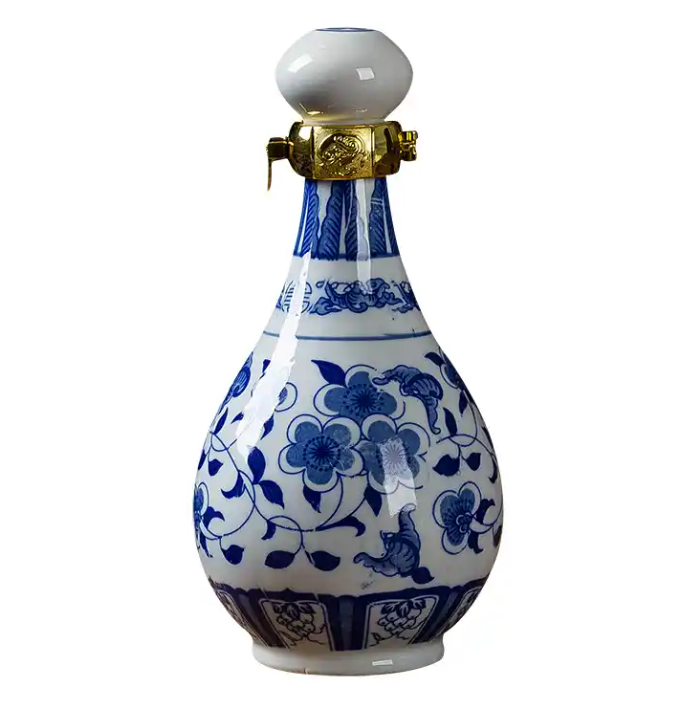
I. Principles of X-ray Detection Technology
X-rays are electromagnetic waves with extremely short wavelengths and high energy, possessing strong penetrating power. When X-rays pass through glass bottles or ceramic containers, the different absorption rates of various substances to X-rays cause the liquid level inside the container to affect the degree of X-ray attenuation. Specifically, the liquid part of alcoholic beverages has a stronger absorption capacity for X-rays, while the air part has a weaker absorption capacity. By using high-precision X-ray detectors to receive the X-ray signals passing through the container and converting them into electrical signals, and then through image processing and analysis algorithms, the height of the liquid level can be accurately determined.
II. Application of X-ray Inspection Technology in Liquid Level Inspection of Glass Bottle Beverages
(1) Advantages of Inspection Technology
Glass bottles have a certain degree of transparency, but traditional optical inspection methods are easily affected by factors such as light reflection and refraction, resulting in inaccurate inspection results. However, X-ray inspection technology can penetrate glass bottles, unaffected by their transparency and surface gloss, and can clearly obtain image information of the liquid level inside the container. In addition, X-ray inspection equipment can achieve high-speed online inspection, meeting the needs of large-scale production and improving production efficiency.
(2) High Accuracy
X-ray detection technology employs advanced image processing algorithms and high-precision detectors, enabling precise liquid level measurement. Through extensive testing and calibration on a large number of samples, this technology can control the error in liquid level detection within a very small range. For instance, for common glass bottle beverage products, the liquid level detection accuracy of X-ray detection technology can reach over 99.5%, far exceeding traditional detection methods.
(3) Strong Penetrating Power
Although glass bottles are relatively easy to penetrate, traditional detection methods may be limited for some special-structured glass bottles, such as thick-walled glass bottles or those with complex patterns. X-rays, however, have a strong penetrating power and can easily pass through these glass bottles to accurately detect the liquid level height. At the same time, X-ray detection technology can also detect whether there are impurities, bubbles and other defects inside the glass bottles, providing a more comprehensive guarantee for product quality.
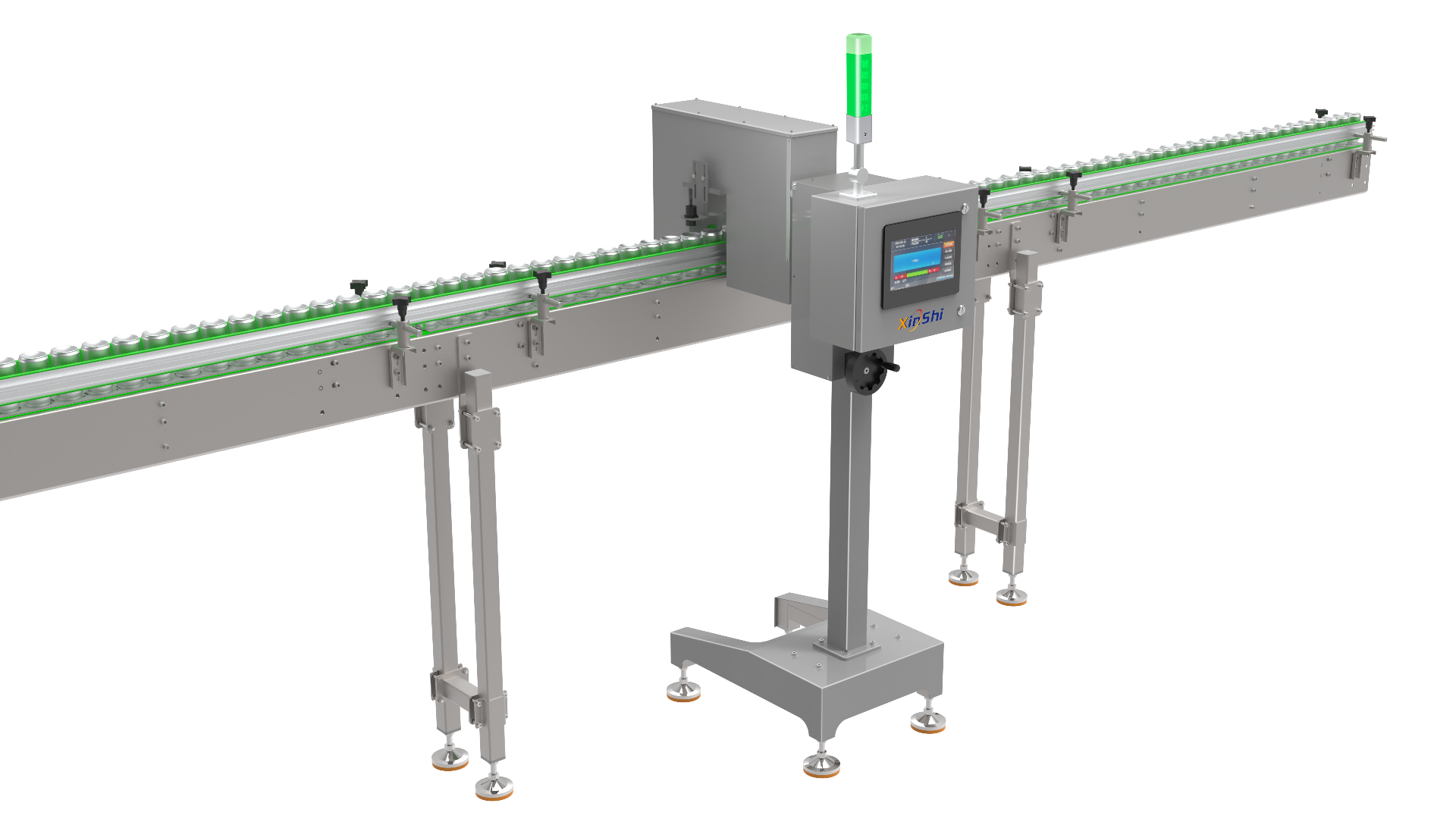
III. Application of X-ray Detection Technology in Liquid Level Detection of Ceramic Wine Products
(1) Challenges and Responses in Detection Technology
Ceramic wine products usually have thick walls and complex material structures, making it difficult for traditional detection methods to penetrate the ceramics and accurately detect the liquid level. However, X-ray detection technology, with its powerful penetration ability, has become the ideal choice for liquid level detection of ceramic wine products. By adjusting the energy and intensity of X-rays, it can ensure that X-rays can penetrate ceramics of different thicknesses and materials, obtaining clear liquid level images.
(2) High Accuracy Assurance
In the liquid level detection of ceramic wine products, X-ray detection technology also demonstrates a very high accuracy rate. Due to the poor uniformity of ceramic materials, traditional detection methods are easily disturbed by the non-uniformity of the material, resulting in significant deviations in the detection results. However, X-ray detection technology can eliminate the influence of material non-uniformity through precise analysis of X-ray signals and accurately determine the liquid level height. Additionally, X-ray detection equipment can also inspect the appearance of ceramics, such as cracks and glaze defects, to enhance the overall quality of the products.
(3) Strong Penetrating Power Plays a Key Role
The high hardness and thick walls of ceramics make it difficult for ordinary detection methods to be effective. However, the strong penetrating power of X-rays precisely solves this problem. Whether it is a traditional ceramic wine bottle or a modern ceramic wine bottle, X-rays can penetrate through their walls and clearly show the internal liquid level. This is of great significance for the production and quality control of ceramic wine products, ensuring that the liquid level of each bottle meets the standard requirements.