


Headline: Air Bearing Chiller Commissioning: 58 Seconds to Master the Core Steps—One Wrong Move Can Destroy the Bearings!
Body:
Air bearing chiller commissioning: Miss these critical points, and you'll be dealing with endless problems down the line! In just 58 seconds, we'll break down the essential precautions to ensure a flawless, one-time startup.
First, Preparation!
-
1. Inspect Exterior and Piping: Verify that all piping is free of damage or leaks. Ensure all valves are in the correct operational position.
-
2. Verify Water and Electrical Systems: Confirm stable voltage supply, secure grounding, unobstructed water flow, and that all water strainers are clean and clear of debris.
-
3. Ensure Oil-Free System Cleanliness: This is the most critical step—the entire oil-free system must be absolutely pristine. The air supply must be dry. Not a single drop of oil, nor the slightest trace of moisture, is permissible. This is the lifeline of the air bearing's service life!
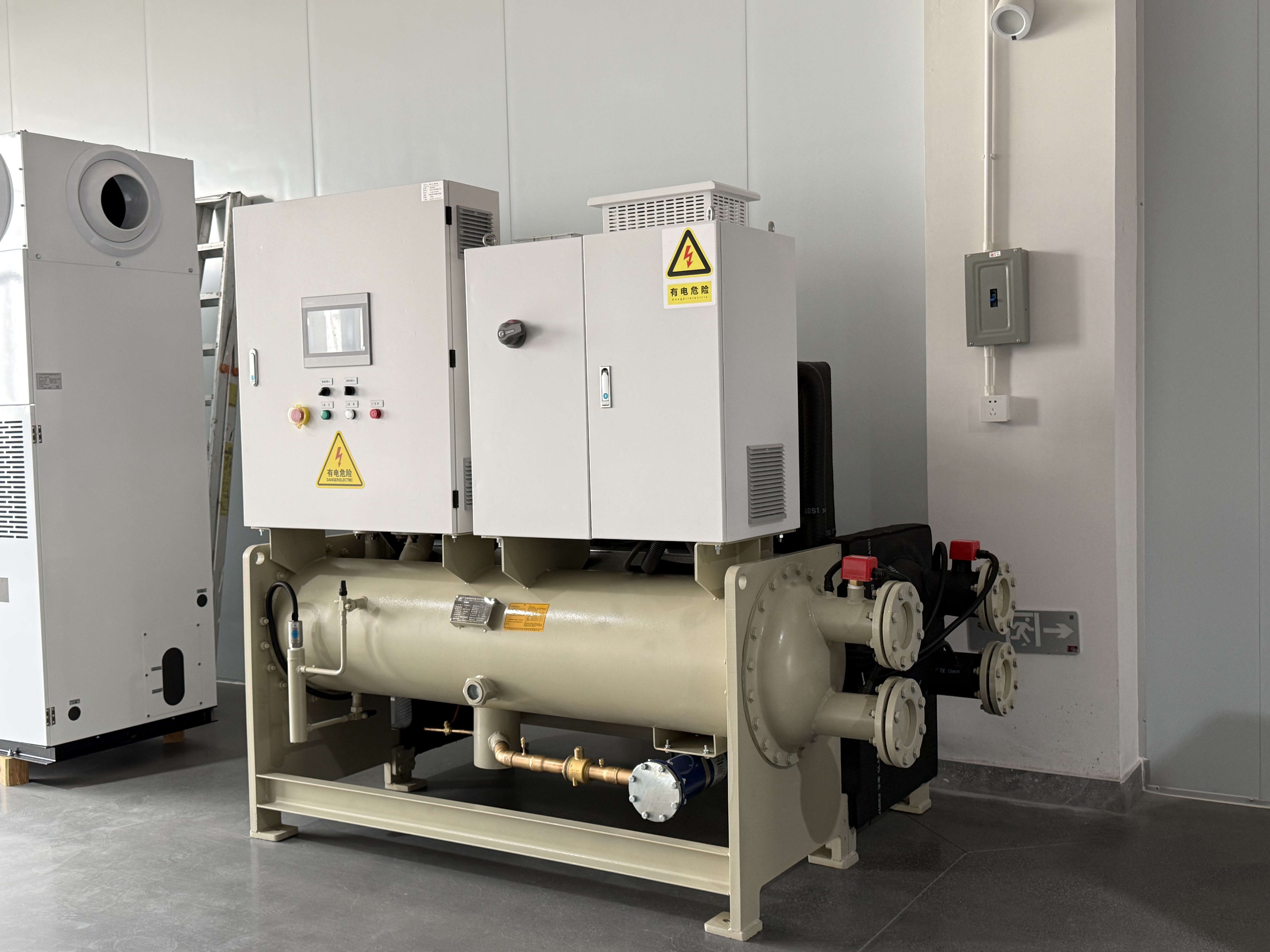
After Startup, Focus on These Checks!
-
1. Listen to the Operation: An air bearing compressor should run smoothly and quietly. If you detect any unusual noise or abnormal vibration, shut down the unit immediately for inspection.
-
2. Monitor the Parameters: Operating current, evaporating pressure, and condensing pressure must remain within the rated range with minimal fluctuation.
-
3. Verify Core Principle: You must confirm the unit is running 100% oil-free. The oil pump and lubricant circuit must be completely isolated. The bearing relies entirely on a clean air film for levitation and support.
Final Steps After Commissioning—Don't Slack Off!
-
First: Fully document all operational parameters and log any anomalies observed during the process.
-
Second: Allow the unit to run continuously for 2 to 4 hours. The commissioning is only considered preliminarily successful once all indicators remain stable throughout this period.
-
Third: Clean up the site thoroughly. Compile and generate a formal Commissioning Report for official archiving.
Follow this procedure step by step, and you'll ensure a stable air bearing chiller startup with minimal callbacks—saving you time, money, and headaches in the long run!