
The global food processing equipment industry is undergoing a fundamental change, driven by the integration of intelligent technologies. The traditional image of labor-intensive workshops is being replaced by highly automated, data-driven smart factories. This is not just about replacing human labor but a comprehensive upgrade of production efficiency, quality control and supply chain management. Companies are using Internet of Things (IoT), artificial intelligence (AI) and blockchain to create agile, transparent and sustainable production systems. This article will explore how this trend towards intelligent manufacturing is setting new standards for the industry worldwide, based on two case studies, and China's intelligent manufacturing technology has reached the forefront of the world.
Case Study 1: Aksu Shengkang Foodstuffs - A Smart Wheat Processing Pioneer
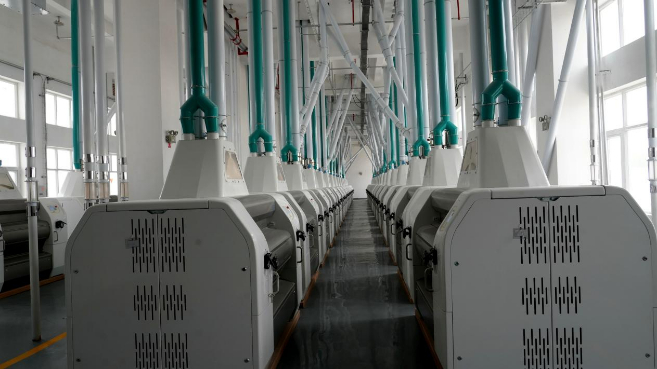
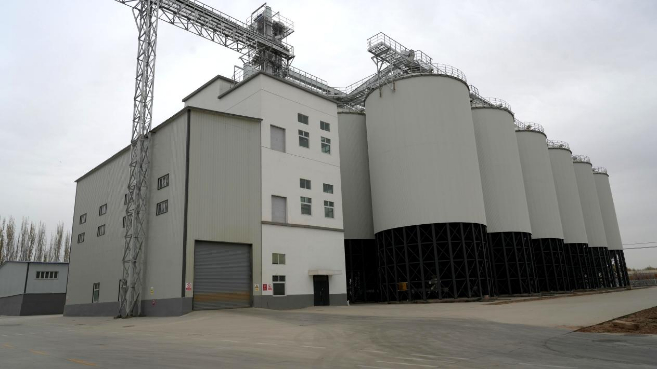
Aksu Shengkang Foodstuffs Technology Co., Ltd., located in Wensu National Agricultural Science Park, is a shining example of the rapid adoption of smart manufacturing. Since its establishment in 2023, with an investment of over 200 million yuan, the company has completed its fully intelligent wheat processing line in just 1.5 years. This is how technology can make every step of food processing smarter.
-
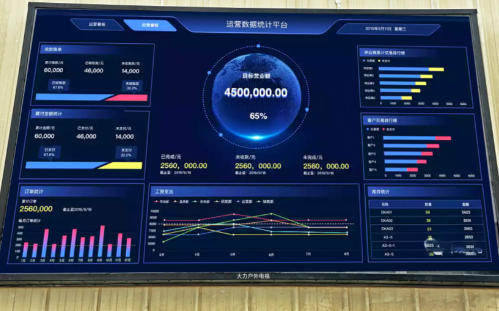
Centralized Intelligent Control: The core of the operation is the central control room. Here, large screens display real-time data of temperature, milling accuracy and flour extraction rate for every production stage. This is the "brain" of the whole production line, allowing for real-time monitoring and adjustment. The result is a big boost in product quality and efficiency. Remarkably, the whole workshop only needs 4 technicians to manage the whole operation from this central hub.
-
Automation and Quality Control: From the moment raw wheat arrives, the process is automated. The company uses automated sampling and near-infrared detection to test the incoming grain, ensuring quality and food safety from the very source. This continues throughout production, the R&D center conducts rigorous tests on moisture content, gluten levels and other key indicators. This end-to-end quality control system ensures consumers get a consistent high-quality product.
-
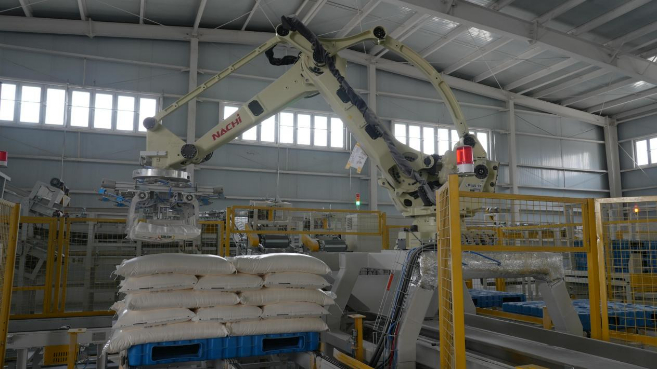
Data-Driven Production and Customization: The intelligent system collects and analyzes data to adjust production parameters in real-time. This data-driven approach has brought significant increase in flour yield, production volume and packaging quality. Moreover, the smart production line has enabled the company to go beyond traditional flour milling. It now produces over 20 types of general and special flours, including custom blends for beef noodles and steamed buns, exactly meeting the market demand.
Case Study 2: ChaCha Food - The Nut Industry's Smart Factory Pioneer
The nut industry is also experiencing the smart factory revolution, with ChaCha Food leading the way. The company's "Nut Large-Scale Customized Intelligent Factory" was recently recognized as an "Excellence-Level Intelligent Factory" by the Ministry of Industry and Information Technology, a first for the nut industry and a unique honor in Anhui province's food sector. This accolade underscores a national push towards manufacturing excellence through digitalization and intelligent upgrades.
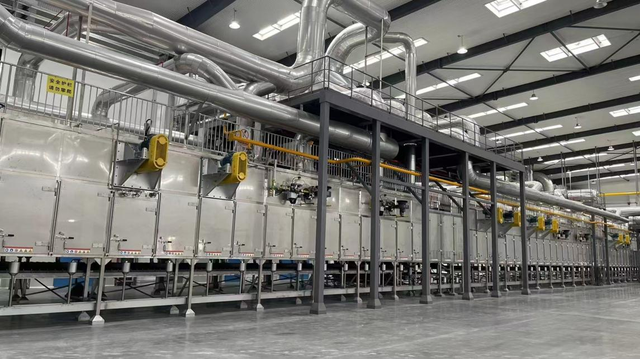
- Substantial Investment in Technology: ChaCha's smart factory is the result of a massive, long-term commitment to technological advancement. Over the past five years, the company has invested more than 1 billion yuan in digital and intelligent upgrades. This investment is visible on the factory floor, which is equipped with 36 automated production lines and over 60 million yuan worth of professional equipment. Key features include multi-material automatic blending and packaging systems, visual vertical packaging machines, and intelligent online manual inspection systems.
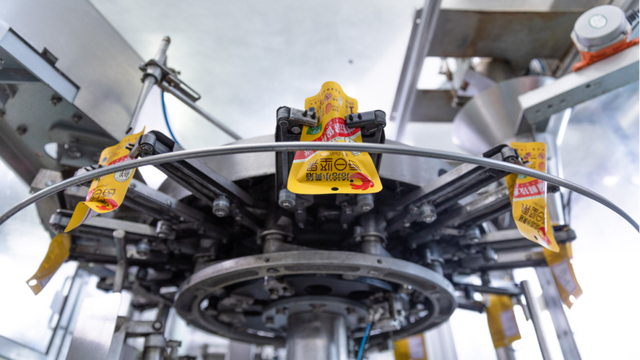
- Full-Link Digital Management: ChaCha has built a comprehensive digital control system that covers the entire chain from raw material cultivation to final sales. This is supported by a suite of integrated software including Manufacturing Execution Systems (MES), Supplier Relationship Management (SRM), and Enterprise Resource Planning (ERP). The result is a seamless flow of industrial data that enables a data-driven production model.
- Blockchain for Transparency and Traceability: A cornerstone of ChaCha's smart factory is its blockchain-based traceability system. By assigning a unique code to every product, the company allows consumers to track the journey of their nuts—from the specific planting base to the processing parameters and quality inspection reports. This "One Item, One Code" system fosters brand trust and aligns with growing consumer demand for transparency. This initiative is part of ChaCha's broader "Transparent Factory" brand strategy, which has become a key asset in differentiating itself in the market.
The advancements at Aksu Shengkang and ChaCha Food highlight a clear trajectory for the future of food processing. Intelligent manufacturing is no longer a futuristic concept but a present-day reality that delivers tangible benefits in efficiency, quality, and market responsiveness. As these technologies continue to evolve and become more accessible, they are set to redefine global standards for the food processing equipment industry.
Sources:
http://www.xj.chinanews.com.cn/dizhou/2025-10-09/detail-ihevwnnh9886942.shtml
https://zyrm.zyjjw.cn/jingji/202510/122699.html