
Updated September 2026
2026 FDA Food Color Regulatory Update
- FD&C Red No. 3: Authorization revoked; food reformulation deadline: January 15, 2027.
- Orange B: FDA revoked its food-use authorization in July 2026.
- Citrus Red No. 2: FDA proposed revoking its food-use authorization in July 2026.
- Six additional certified colors: FDA is working toward eliminating their use by the end of 2027.
- Natural alternatives: FDA has authorized additional color additives derived from natural sources, including Galdieria extract blue, butterfly pea flower extract, calcium phosphate, and gardenia blue.
The U.S. food industry is entering a significant period of change in the way color is added to food and beverages.
Since 2025, the U.S. Food and Drug Administration (FDA) and the U.S. Department of Health and Human Services (HHS) have taken a series of regulatory actions aimed at reducing the use of petroleum-based synthetic food dyes while expanding the availability of color additives derived from natural sources.
For food manufacturers, however, replacing a synthetic color with a natural alternative is not simply an ingredient substitution. Natural colorants can behave differently under changes in temperature, pH, oxygen exposure, light, shear, processing time, and storage conditions. As a result, reformulation may also require changes to dosing systems, mixing equipment, process control, heat treatment, packaging, and cleaning procedures.
For food processing companies planning new production lines or upgrading existing factories, understanding the relationship between natural food colorants, process technology, and equipment design is becoming increasingly important.
What Is Changing in U.S. Food Dye Regulations?
The FDA announced in April 2025 a series of measures intended to phase out petroleum-based synthetic dyes from the U.S. food supply and accelerate the development and authorization of alternative color additives. The initiative included encouraging manufacturers to move away from FD&C Red No. 3 before its existing regulatory deadline and accelerating the review of several color additives derived from natural sources.
FD&C Red No. 3 is a particularly important example. On January 15, 2025, the FDA revoked its authorization for use in food and ingested drugs. Food manufacturers using Red No. 3 have until January 15, 2027 to reformulate their food products, while the deadline for ingested drugs is January 18, 2028.
The FDA has also taken action concerning other petroleum-based color additives.
In July 2026, the FDA issued a final order revoking the authorized use of Orange B in food and proposed revoking the authorization for Citrus Red No. 2. The FDA stated that the authorized uses of these color additives had effectively been abandoned by industry.
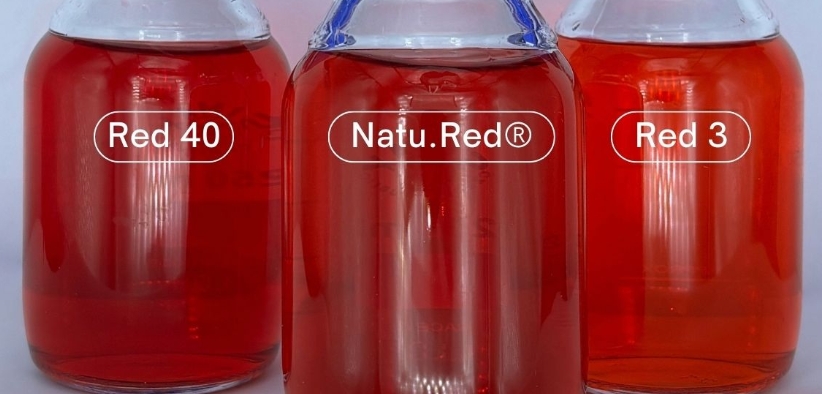
At the same time, the agency is working with manufacturers, retailers, and industry organizations toward eliminating six additional certified colors from the U.S. food supply by the end of 2027:
- FD&C Red No. 40
- FD&C Yellow No. 5
- FD&C Yellow No. 6
- FD&C Blue No. 1
- FD&C Blue No. 2
- FD&C Green No. 3
The FDA's current tracking information also shows continued expansion of naturally derived color options.
For food manufacturers selling into the U.S. market, these developments make colorant reformulation an increasingly important product-development and production-planning issue.
More Natural Food Colorants Are Becoming Available
One of the biggest challenges associated with replacing synthetic dyes has historically been the limited availability of natural alternatives with suitable color range, stability, and processing performance.
That situation is changing.
In 2025, the FDA authorized several color additives derived from natural sources, including:
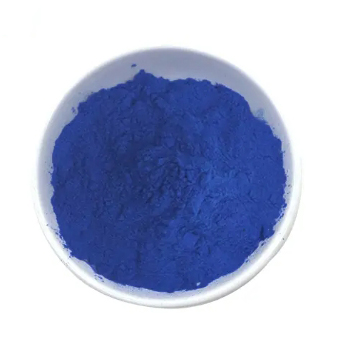
- Galdieria extract blue, derived from the microalgae Galdieria sulphuraria
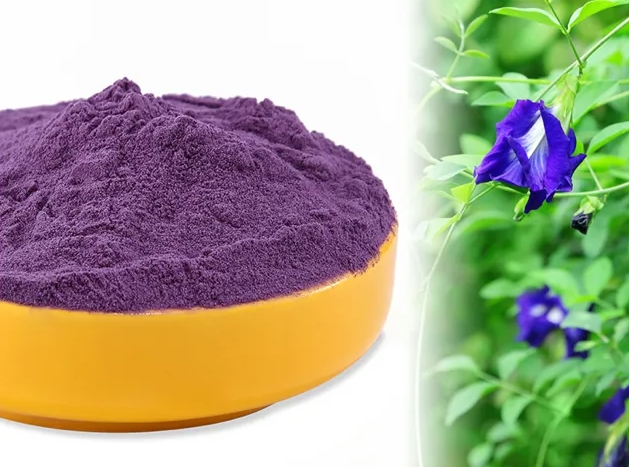
- Butterfly pea flower extract
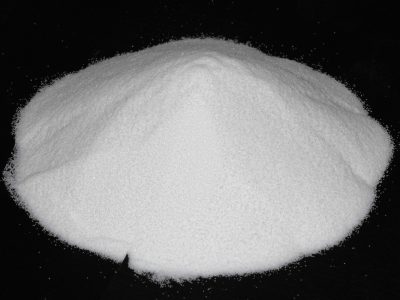
- Calcium phosphate
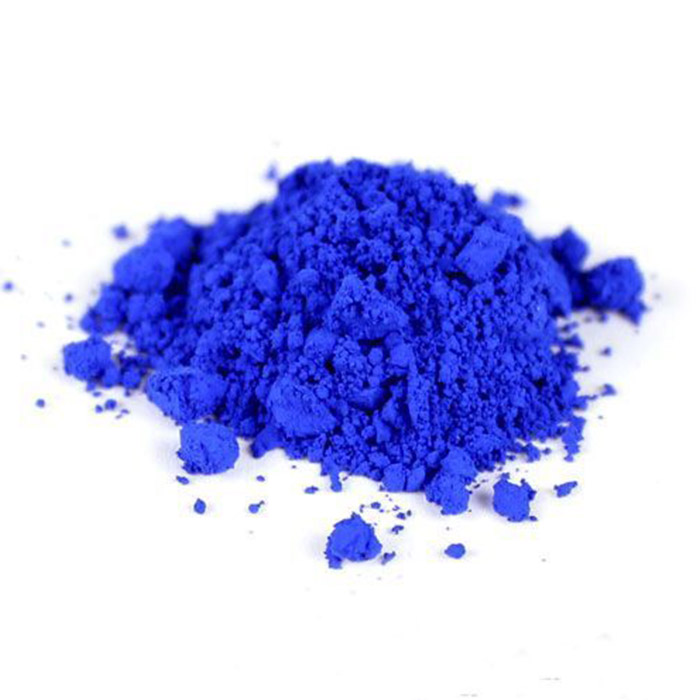
- Gardenia (genipin) blue
The FDA's official color additive database lists these substances among color additives exempt from certification and approved under specified conditions of use.
These ingredients can provide manufacturers with additional options for developing blue, purple, green, white, and other color ranges.
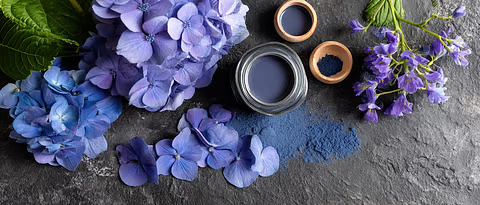
For example, butterfly pea flower extract can produce blue, purple, and green shades, while Galdieria extract blue provides another naturally derived blue option. Gardenia blue further expands the range of naturally derived blue colorants available for specified food applications.
However, regulatory authorization does not mean that every natural colorant can be used in every food product or at any concentration. Food manufacturers still need to verify the permitted food categories, conditions of use, labeling requirements, and applicable specifications for each color additive.
This is an important distinction when planning commercial production.
Why Natural Colorants Can Require Different Processing Conditions
Replacing a synthetic dye with a natural colorant can affect the manufacturing process.
Synthetic colors are widely used partly because they generally provide strong, uniform color and can be easier to process across a broad range of formulations. The FDA notes that certified color additives are widely used because of characteristics including intense and uniform color and ease of blending.
Natural colorants can have different physical and chemical characteristics.
Depending on the specific pigment and application, manufacturers may need to pay closer attention to:
- Temperature
- pH
- Oxygen exposure
- Light exposure
- Shear
- Residence time
- Mixing conditions
- Ingredient concentration
- Storage conditions
This means that successful reformulation should involve both the R&D team and the production engineering team.
A formulation that performs well in a laboratory vessel may behave differently when transferred to a commercial production line.
1. Precision Dosing and Mixing Become More Important
Natural colorants often require accurate dosing because small changes in concentration can affect final color intensity and consistency.
A modern production line may therefore require:
- Accurate liquid or powder dosing systems
- Load-cell-based ingredient systems
- Inline or batch mixing
- Controlled agitation
- Automated flow control
- Recipe management
- Process monitoring
The goal is not simply to add the correct amount of colorant.
The entire system must distribute the colorant uniformly throughout the product without creating excessive shear, localized concentration, or unnecessary residence time.
For beverage, dairy, sauce, confectionery, and other liquid or semi-liquid products, inline mixing and controlled dosing can become important components of a natural-color production system.
2. Temperature Control Can Affect Color Stability
Heat treatment is another major consideration.
Many food products require pasteurization, sterilization, cooking, baking, drying, extrusion, or other thermal processing steps. A natural pigment may respond differently to these conditions than the synthetic color used previously.
Manufacturers therefore need to evaluate the complete thermal profile rather than looking only at the final processing temperature.
Important parameters can include:
- Heating rate
- Maximum temperature
- Holding time
- Cooling rate
- Total thermal exposure
- Product pH
- Oxygen conditions
For some applications, improved heat exchangers, temperature sensors, automated control valves, and more accurate process-control systems may help manufacturers achieve more consistent results.
The appropriate solution will depend on the specific colorant and product formulation.
3. pH Control Can Become a Critical Part of Color Management
Some natural pigments are particularly sensitive to pH.
A formulation may have the correct color at one pH but shift toward a different shade when the pH changes.
For this reason, manufacturers developing naturally colored beverages, sauces, dairy products, confectionery, and other foods may need more precise pH management.
Potential technologies include:
- Inline pH sensors
- Automated dosing systems
- Acid or alkali dosing
- PLC-based process control
- Recipe-based formulation management
Instead of treating pH adjustment as a manual laboratory operation, factories can increasingly integrate it into automated production systems.
4. Oxygen and Light Protection May Require Attention
Color stability does not necessarily end when the product leaves the processing equipment.
Oxygen, light, and storage conditions can continue to affect certain natural pigments.
Depending on the product, manufacturers may therefore need to evaluate:
- Deaeration
- Nitrogen flushing
- Closed transfer systems
- Oxygen-barrier packaging
- Light-protective packaging
- Storage temperature
- Headspace management
This is particularly relevant for beverages and other products where the color is highly visible to consumers.
The packaging system should therefore be considered together with the formulation and processing system rather than as a completely separate operation.
5. Cleaning and CIP Systems May Need to Be Reconsidered
Natural colorants can also create practical challenges during production changeovers.
Some pigments can leave visible residues on tanks, pipelines, valves, fillers, mixers, and other food-contact surfaces.
For factories producing multiple products with different colors, this can increase the importance of:
CIP — Clean-in-Place
A suitable CIP strategy may require optimization of:
- Cleaning temperature
- Cleaning chemical concentration
- Flow velocity
- Cleaning duration
- Rinse procedures
- Tank and pipeline design
- Dead-leg reduction
- Automated CIP recipes
The objective is to prevent color carryover between batches while maintaining food hygiene and minimizing water, chemical, and energy consumption.
Natural Color Reformulation Is an Engineering Project, Not Just an Ingredient Change
One of the most important lessons for food manufacturers is that natural-color reformulation should not be treated purely as an R&D exercise.
Changing a colorant can affect the interaction between:
Ingredient → Formulation → Processing → Packaging → Storage
For example, a company replacing a synthetic red color with a natural pigment may discover that the new formulation requires different pH control, mixing conditions, thermal exposure, or packaging protection.
If these factors are considered only after the new ingredient has been selected, the company may need multiple rounds of production trials.
A more efficient approach is to evaluate the complete process at the beginning.
What Should Food Factories Do Now?
For manufacturers supplying the U.S. market, several practical steps can help reduce the risk associated with color reformulation.
Step 1: Audit Current Colorants
Identify which products currently contain synthetic certified colors and determine which products may require reformulation.
Particular attention should be given to FD&C Red No. 3 and other color additives affected by current or announced regulatory initiatives.
Step 2: Identify Suitable Alternatives
Work with ingredient suppliers and food scientists to identify natural or other authorized color alternatives appropriate for the intended application.
The objective should not simply be to find a pigment with a similar color in a laboratory sample.
The alternative should also be evaluated for:
- Regulatory status
- Stability
- Flavor impact
- pH compatibility
- Heat tolerance
- Light stability
- Processing compatibility
- Cost
- Supply availability
Step 3: Conduct Pilot-Scale Trials
Laboratory performance does not always predict commercial production performance.
Pilot-scale testing can reveal problems involving mixing, heating, residence time, dosing accuracy, and packaging that may not be visible during small-batch development.
Step 4: Review Existing Equipment
Manufacturers should assess whether their existing production equipment provides sufficient control over:
- Ingredient dosing
- Mixing
- Temperature
- pH
- Oxygen
- Flow
- Residence time
- Cleaning
In some cases, a complete equipment replacement may not be necessary.
Upgrading sensors, dosing systems, control software, mixing equipment, heat exchangers, or CIP systems may provide a more economical path to improved process control.
Step 5: Design the Production Line Around the New Formulation
For new factories, the opportunity is even greater.
Instead of designing a production line around a traditional formulation and later attempting to retrofit natural-color processing requirements, manufacturers can incorporate flexibility from the beginning.
A modern food processing line can be designed with:
- Flexible dosing systems
- Automated recipe management
- Precise temperature control
- Inline pH monitoring
- Hygienic process design
- Automated CIP
- Data collection and traceability
- Modular equipment configurations
This approach can make future reformulation easier as regulations, ingredients, and consumer preferences continue to evolve.
The Growing Role of Fermentation-Based Natural Pigments
Another technology worth watching is fermentation-based production of natural pigments.
Traditional plant-derived colorants can sometimes face challenges related to agricultural supply, seasonal variation, color consistency, and processing stability.
Fermentation-based approaches use controlled biological production systems to manufacture pigment compounds under controlled conditions.
Potential advantages include:
- More consistent production
- Controlled manufacturing conditions
- Reduced dependence on seasonal crops
- Potentially improved scalability
- Greater control over pigment characteristics
However, food manufacturers should evaluate each specific pigment based on its regulatory status, permitted applications, technical performance, cost, and supply chain rather than assuming that all fermentation-derived colors are automatically suitable replacements.
The broader trend is clear: advances in biotechnology are expanding the range of potential alternatives available to food manufacturers.
What This Means for Food Processing Equipment Suppliers
The transition toward natural food colorants is also creating opportunities for equipment manufacturers and food-processing technology providers.
Demand may increase for technologies supporting:
- Precision ingredient dosing
- High-accuracy mixing
- Gentle processing
- Advanced temperature control
- Inline pH monitoring
- Oxygen management
- Automated CIP
- Flexible production lines
- Digital process monitoring
- Recipe and batch traceability
This creates a connection between food ingredient innovation and food factory engineering.
A food manufacturer may select a new natural pigment because of regulatory or market requirements, but successfully commercializing that pigment may ultimately depend on whether the factory can control the process conditions precisely enough.
Looking Ahead
The shift away from petroleum-based synthetic food dyes is unlikely to be solved by a single replacement ingredient or a single piece of equipment.
Instead, the industry is moving toward a more integrated model in which formulation, ingredients, processing technology, automation, packaging, and quality control are considered together.
The FDA's actions since 2025 have accelerated this discussion. At the same time, the expansion of approved naturally derived color additives is giving food manufacturers more options for reformulation.
For food factories, the practical question is therefore not simply:
“What can replace synthetic food dyes?”
A more useful question is:
“What combination of ingredients, processing conditions, equipment, and quality controls will allow us to produce a stable, consistent product at commercial scale?”
That is where engineering becomes critical.
Food manufacturers planning new production lines or upgrading existing factories should evaluate natural-color formulations at both the laboratory and production-engineering levels. Early cooperation between product developers, process engineers, equipment suppliers, and quality teams can reduce reformulation risk and help manufacturers respond more efficiently to changing regulatory and market requirements.
Conclusion
The FDA's evolving approach to synthetic food dyes is accelerating a broader transformation in the food industry.
For manufacturers, the transition toward natural colorants creates both regulatory challenges and opportunities for product innovation. New color additives, biotechnology, improved formulation science, and increasingly precise processing equipment are expanding the industry's ability to produce attractive products without relying exclusively on traditional synthetic dyes.
However, replacing a synthetic colorant is rarely a simple one-for-one substitution. Temperature, pH, mixing, oxygen, light, processing time, packaging, and cleaning can all influence the performance of the final product.
The factories that approach reformulation as an integrated ingredient + process + equipment + quality-control project will be better positioned to adapt.
For food processing companies planning a new production line, upgrading an existing factory, or evaluating equipment for products using natural colorants, understanding these interactions can be just as important as selecting the colorant itself.
FoodTechX will continue to follow developments in food processing technology, natural colorants, food manufacturing equipment, and regulatory trends that affect modern food factories.
Regulatory requirements and permitted uses of food color additives can change. Manufacturers should verify current FDA regulations and the applicable conditions of use for each color additive before commercial production.
Sources
- U.S. Food and Drug Administration — HHS and FDA measures to phase out petroleum-based synthetic dyes.
- U.S. Food and Drug Administration — FD&C Red No. 3 regulatory information.
- U.S. Food and Drug Administration — FDA actions concerning Orange B and Citrus Red No. 2.
- U.S. Food and Drug Administration — FDA-approved color additives and natural-source color additives.