
In the food processing industry's dynamic landscape, 2025 is the breakthrough year for natural sweeteners, and allulose is the disruptor. This rare sugar, found in small amounts in fruits like figs and raisins, is changing how manufacturers formulate low-calorie, health-positioned products. As consumer demand for clean-label and functional foods increases, allulose's unique personality—low calories, low glycemic impact, and a sugar-like taste—is driving adoption in beverages, baked goods, and dairy products. Coupled with the development of food processing equipment, allulose is not just a sweetener but also a driver of innovation, sustainability, and health-focused reformulation. This article explores allulose's rise to fame, its place in the clean-label movement, and the technical and regulatory developments behind its adoption in modern food manufacturing.
The Allulose Revolution: A Sweet Solution for the Health-Conscious Consumer
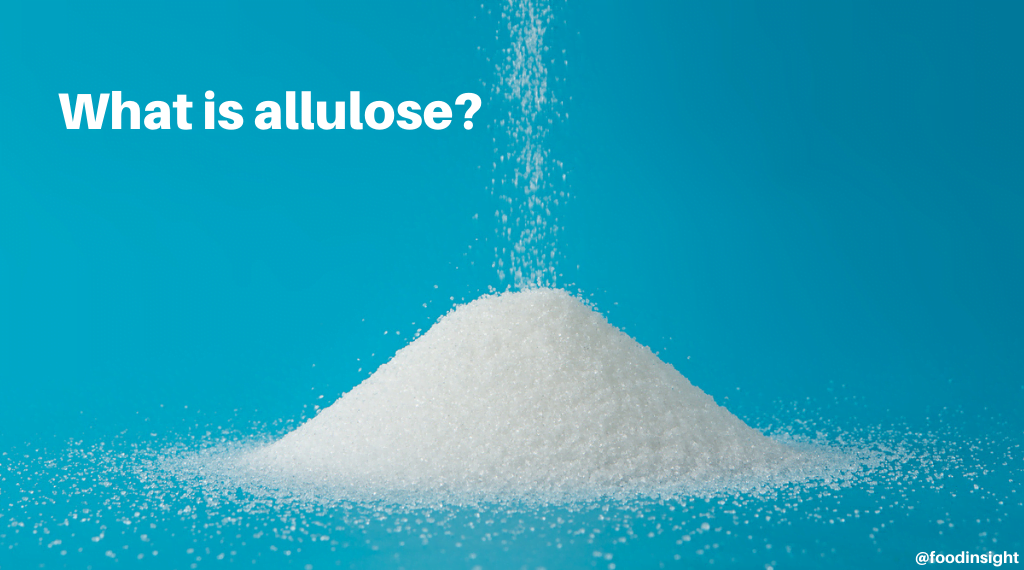
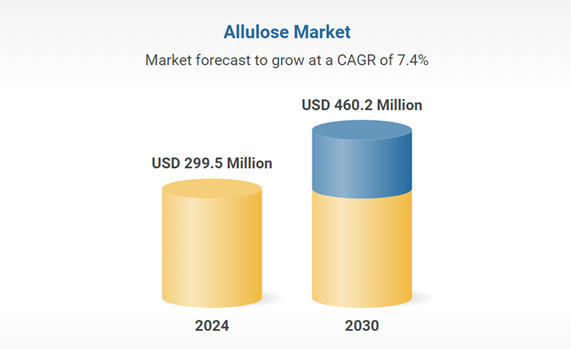
Allulose, or D-psicose, is a monosaccharide that contains just 0.4 calories per gram—roughly 10% of the caloric content of sugar—and 70% of its sweetness. It does not substantially increase blood glucose or insulin levels like conventional sugars, hence being a favorite of diabetic-friendly and keto diets. The worldwide allulose market was worth USD 256.25 million in 2024 and is estimated to reach USD 598.61 million by 2034, growing at a compound annual growth rate (CAGR) of 8.9%. This growth is being driven by increasing health consciousness, especially in markets such as Asia-Pacific, where urbanization and disposable incomes are stoking demand for low-calorie sweeteners.
The clean-label trend, driven by consumers' insistence on simple, recognizable ingredients, has been a potent stimulus. In the International Food Information Council's 2020 survey, 64% of consumers indicated a preference for foods with clean ingredients, and allulose is a natural fit as a naturally derived sweetener from sources like wheat and corn. Its versatility of applications—from beverages to confectionery—has also endeared it to manufacturers reformulating products to address health-conscious demands. Brands like Purecane and Monk Fruit in the Raw have launched allulose products in 2024, blending it with monk fruit extract to create zero-calorie, low-glycemic sweeteners that mimic sugar's taste and texture.

Nonetheless, allulose's ascent does not come without issues. Its manufacture, largely via enzymatic conversion of fructose from sugar beets or corn, is technically challenging and expensive relative to conventional sweeteners such as sucrose. This elevated cost can discourage price-conscious manufacturers, capping its penetration in certain markets. Moreover, consumer wariness regarding new sweeteners lingers, with just 15% of consumers having heard of allulose based on a 2021 IFIC survey. Sustaining over these obstacles involves vigorous marketing and education to emphasize allulose's safety and advantages, as supported by its "Generally Recognized as Safe" (GRAS) FDA status since 2012.
Technological Innovations in Allulose Manufacturing
The incorporation of allulose in food processing relies on high-tech equipment and advances in biotechnology. Enzymatic production is the largest, with more than 70% of the world's allulose revenue in 2023, owing to its affordability and natural inclination. D-tagatose 3-epimerase and other enzymes transform fructose into allulose and necessitate close control over temperature, pH, and process conditions. This has cultivated demand for high-level bioreactors and filtration systems in food processing factories, which can manage sensitive enzymatic reactions at large scales.
In 2025, advances in microbial production and precision fermentation technology are reducing costs, making allulose more accessible. For example, biotech firms are collaborating with equipment vendors to develop automated systems that optimize yield and purity, addressing the high production cost that has historically constrained market growth. The systems use IoT and AI-driven monitoring for uniform quality, in line with the broader trend in the industry toward automation. These types of innovations are important as manufacturers ramp up to meet demand, particularly in Asia-Pacific, where countries like China and Japan are seeing rapid market growth thanks to health-conscious consumer bases.
In addition, allulose's heat and acid stability suit it for use in baking applications and beverages, though it also requires special mixing and blending equipment to ensure even incorporation without textural impact. To illustrate, powder allulose dominates the market due to its ease of use in baked goods, yet liquid allulose is gaining traction in ready-to-drink beverages. This demands processing line versatility that can switch forms, with investment being made in modular equipment designs.

Regulatory Environment and Public Opinion
The regulatory landscape is a key factor in the adoption of allulose. In the U.S., the FDA's guidance in 2019 and 2020 exempted allulose from being declared as added sugar on Nutrition Facts labeling, mandating only its declaration as a carbohydrate at 0.4 calories per gram. The ruling has been taken positively by manufacturers, who are increasingly using allulose in "sugar-free" and "keto-friendly" products without padding out sugar counts, enhancing its popularity. In markets such as Canada and the EU, however, allulose is still unapproved for use as a food ingredient, being a novel food pending safety evaluations. The Allulose Novel Food Consortium (ANFC), established in 2021, is advocating for EU approval, which could open up a large market opportunity.

Consumer perception is a double-edged sword. While allulose's natural origin plays into the clean-label trend, its relative novelty requires education. Companies are investing in campaigns to raise awareness of its benefits, such as its antioxidant effect and capacity to reduce postprandial glucose spiking by 10%, according to a meta-analysis. Yet, gastrointestinal side effects, like flatulence at high doses (0.55 g/kg body weight), indicate the importance of moderation and labeling.
Allulose Within the Wider Natural Additives Context
Allulose is only one part of an overall shift to natural additives, as consumers demand transparency and health. Clean label has pushed out artificial preservatives like sodium benzoate for natural alternatives like rosemary extract and vinegar-based systems. These types of additives require processing equipment changes to handle their different behaviors, such as shelf-life stability. Natural colorants like beet juice, for example, which have replaced banned synthetic colorants like Red No. 3, demand strict temperature control in processing in order to maintain color stability.

This change is redefining equipment requirements. Manufacturers are embracing high-pressure processing (HPP) systems and sophisticated emulsification technologies to incorporate natural additives without affecting product quality. Such systems guarantee that ingredients such as allulose and natural preservatives retain their functional characteristics, improving texture and shelf life while fulfilling clean-label requirements. The outcome is a vibrant sector where equipment development and ingredient trends are inseparable, with opportunities for manufacturers capable of changing quickly.
The Future of Allulose in Food Processing
Looking ahead, allulose’s trajectory is bright. Its growing use in functional foods—products offering health benefits beyond basic nutrition—positions it as a staple in 2025 and beyond. The rise of gut health awareness has led to formulations combining allulose with prebiotics, appealing to millennials and Gen Z consumers who prioritize wellness. Additionally, the ketogenic diet’s popularity continues to drive demand, as allulose’s low-carb profile makes it a perfect fit for keto-friendly snacks and beverages.
The equipment industry for food processing needs to keep up. Investment in AI-powered production monitoring and modular processing lines will be key to manage the various applications of allulose and other natural additives. As regulatory approvals widen, especially in Europe, producers will have to ramp up production, creating demand for efficient and sustainable equipment. The challenge will be in finding a balance between cost, consumer education, and technological advancement to sustain allulose's momentum.
In summary, allulose is more than just a sweetener—it's a reflection of the food industry's movement toward health, transparency, and innovation. By taking advantage of innovative equipment and regulatory frameworks, manufacturers can make the most of allulose to address consumer needs, paving the way for a sweeter, healthier future in food production.