
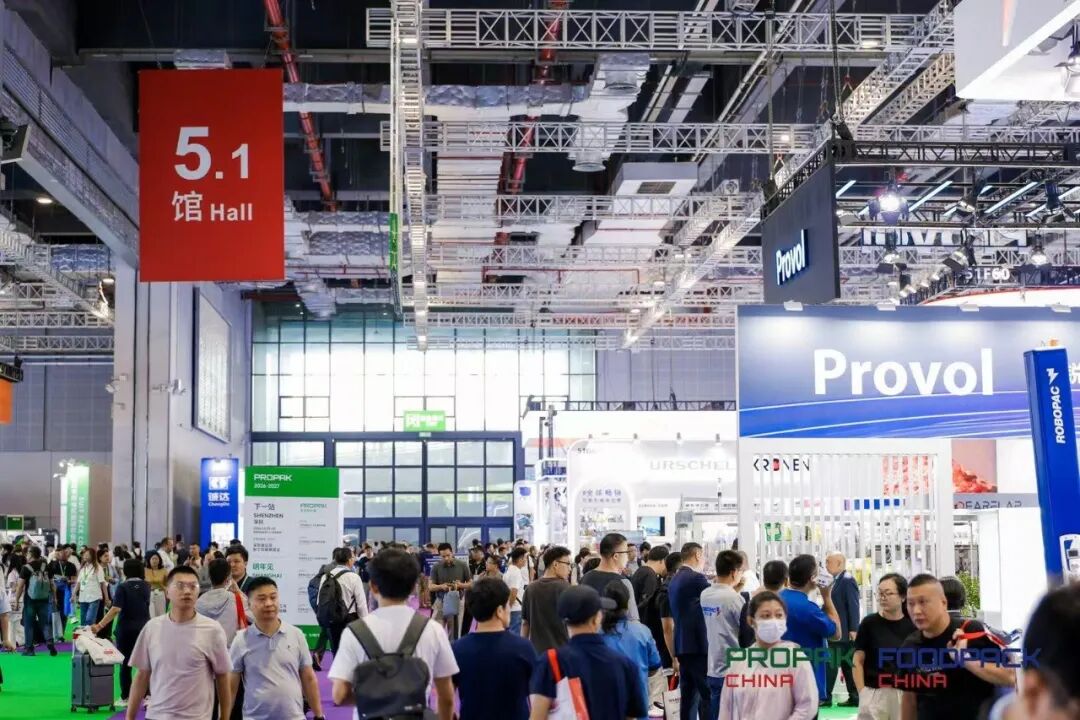
The 31st Shanghai International Processing and Packaging Exhibition (ProPak China 2026) concluded successfully after a three-day run (June 15–17). Centered on the theme "Digital Smart Manufacturing, Industrial Innovation", the event was held in conjunction with four other major exhibitions—covering health ingredients, food additives, health and nutrition, and starch—creating a massive 200,000-square-meter exhibition area. It brought together over 2,500 domestic and international enterprises from countries such as Italy, Germany, Japan, Switzerland, and Canada, attracting an estimated 120,000 professional visitors for networking and business discussions.
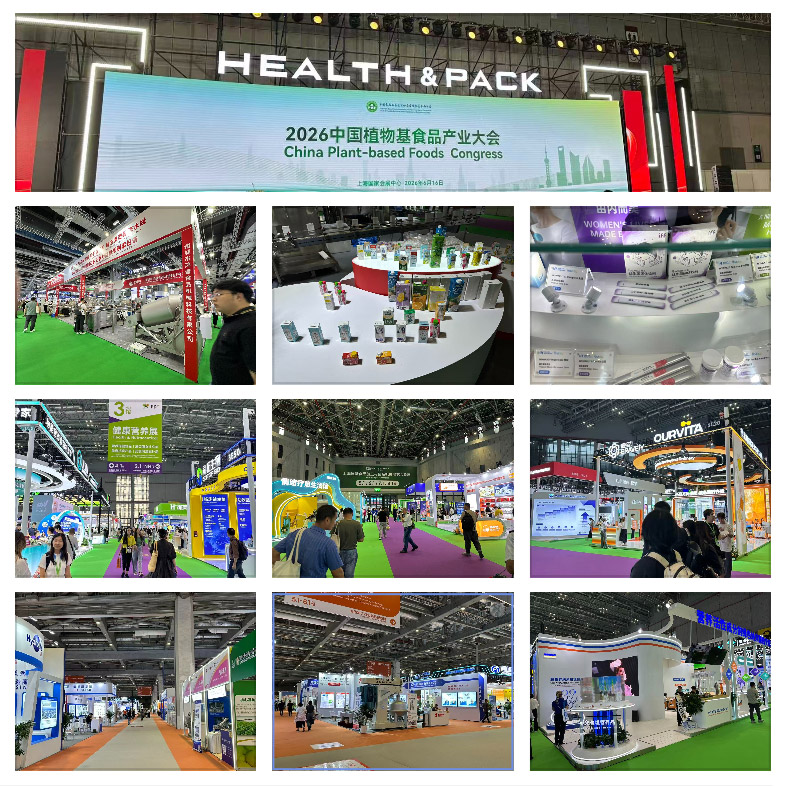
As Asia's leading trade show for processing and packaging technology, this year's event featured numerous highlights across areas such as collaborative robots, AI-powered visual quality inspection, rapid changeover systems, eco-friendly sustainable packaging, and digital twins. The significant increase in exhibitors running live production lines on-site reflected the industry's accelerating shift from merely "showcasing concepts" to "real-world implementation and delivery". Below is a summary of the key highlights from the event.
I. New Packaging Machine Technologies: Moving from Automation to Intelligence
🤖 Collaborative Robots + High-Payload Robots: Collaborative Operations
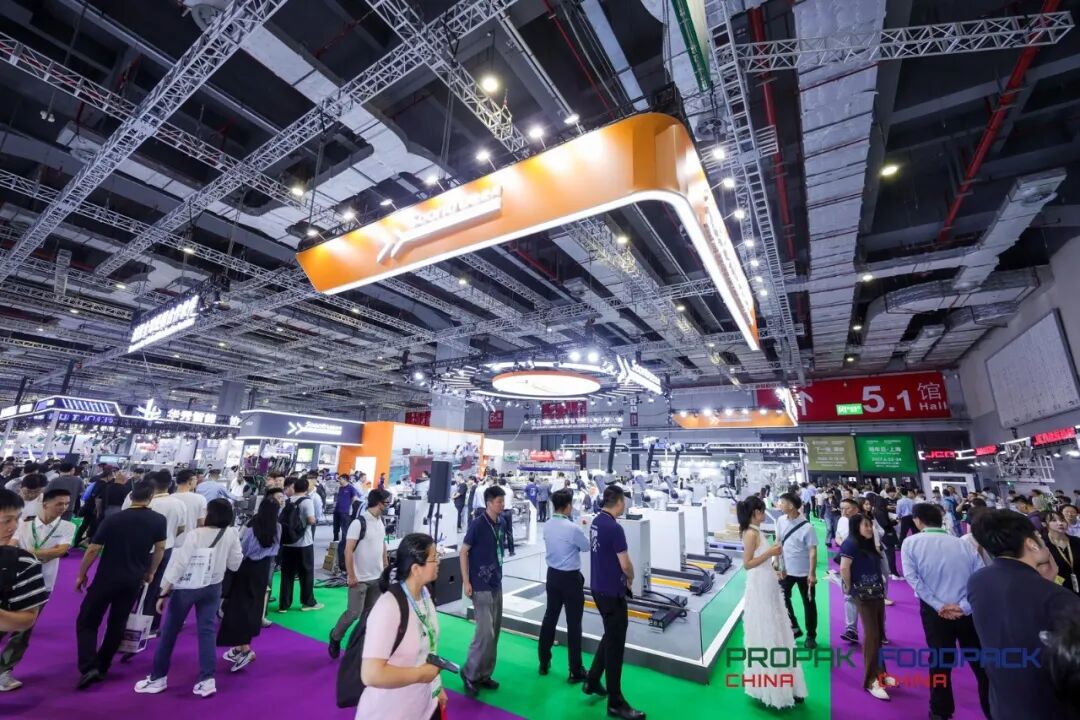
The most eye-catching hardware combination this year was the collaborative workstation featuring the E10-Pro collaborative robot and the S30 high-payload robot, both launched by Huayan Robotics.
This solution delivers a fully automated, end-to-end workflow covering case erecting, product organizing, picking, packing, sealing, palletizing, and material handling. The E10-Pro supports both inverted and side-mounted configurations, maintaining operational flexibility even within tight spaces of less than one cubic meter. Meanwhile, the S30 boasts a 30kg payload capacity and a 1.8-meter reach, achieving palletizing speeds of up to 13 cycles per minute. When used in tandem, the system boosts overall efficiency by approximately 38% compared to traditional manual methods. Crucially, the system integrates seamlessly with AGVs (Automated Guided Vehicles), bridging the "last 100 meters" of automated transport between the end of the production line and warehouse storage racks.
FANUC also showcased its high-payload, high-speed palletizing robots, food-grade SCARA robots, and collaborative robot series in Hall 8.1. These products target end-of-line packaging scenarios for high-speed production lines—such as those for dairy, beverages, and condiments—and were demonstrated through live on-site operations.
Aubot and Atom Robotics showcased collaborative robot palletizing/case-erecting workstations and high-speed sorting solutions, respectively, further enriching the "robotics + packaging" application landscape.
🔄 10-Minute Rapid Changeover: A Key Breakthrough in Flexible Manufacturing
A long-standing pain point in the food industry is the need for the same production line to frequently switch between different case types and product specifications. Each changeover typically takes 30 minutes to an hour, significantly impacting production capacity.

At this exhibition, multiple exhibitors introduced "Quick Changeover" solutions. By simply presetting parameters for various case types in the control system, the system automatically adjusts the physical configuration of conveying, packing, and sealing processes, completing the changeover in just 10 minutes. Coupled with a WYSIWYG (What You See Is What You Get) visual interface, the barrier to entry for operators regarding system setup and adjustment is significantly lowered.
This technology is particularly significant for production scenarios involving small batches and high product variety—such as baked goods, snacks, frozen foods, and ready-made meals. Enterprises no longer need to configure separate production lines for every packaging specification; a single flexible line can meet diverse order requirements, leading to a significant increase in equipment utilization.
⚡ tna robag® FX 3e: High-Speed Vertical Packaging Machine
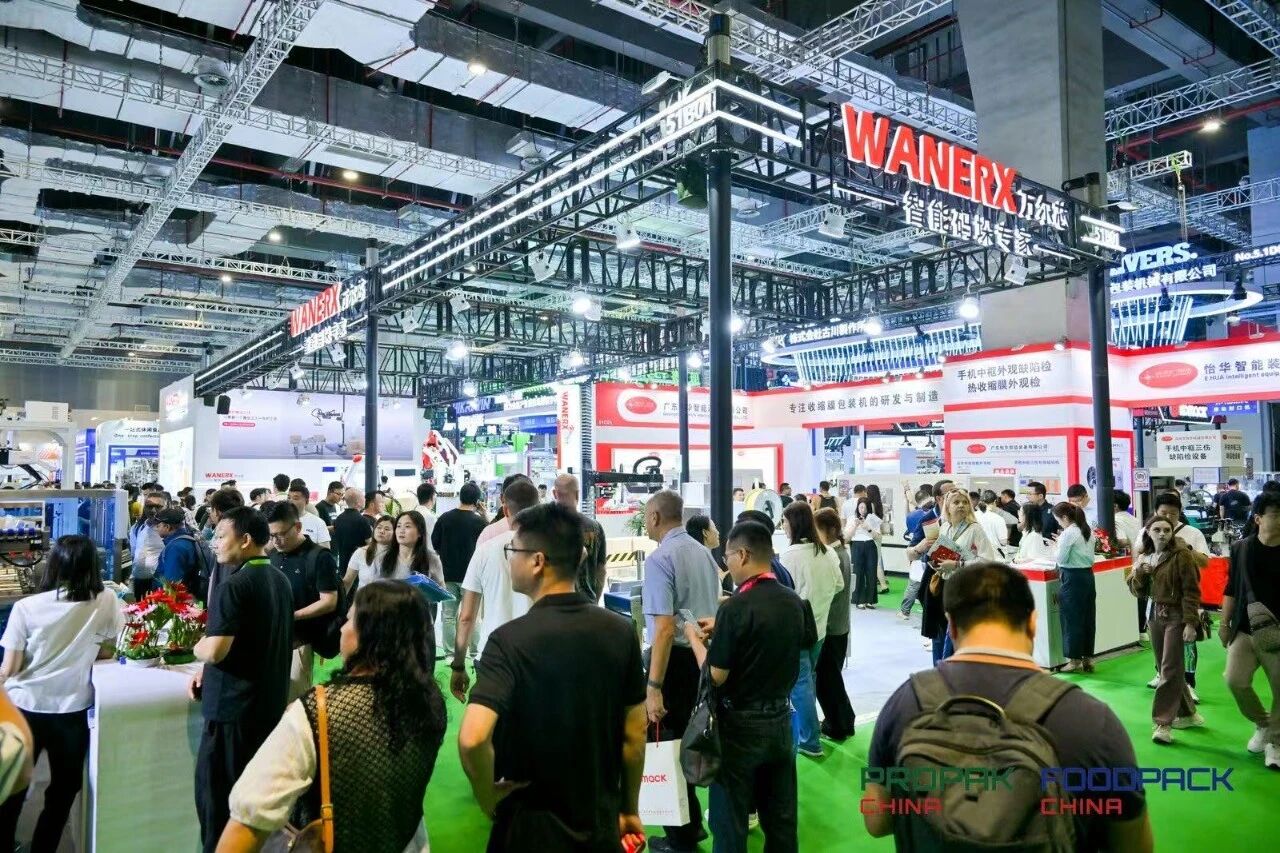
tna demonstrated its robag® FX 3e vertical form-fill-seal (VFFS) machine in live operation at booth 51B35 in Hall 5.1, achieving speeds of up to 250 bags per minute. The machine is equipped with tna’s intelligent seasoning system, OMS 5, enabling precise, integrated drum-based spraying of powdered seasonings and liquid oils—making it particularly suitable for categories such as puffed snacks, nuts, and snack mixes. The booth attracted a steady stream of onlookers, making it one of the most popular spots in the packaging machinery hall.
📦 Pre-made Tray Packaging Machines: Three Functions in One
At this exhibition, numerous exhibitors showcased integrated pre-made tray packaging machines capable of flexibly switching between three modes—sealing, Modified Atmosphere Packaging (MAP), and skin packaging—on a single unit. For sectors such as fresh produce, ready-to-eat foods, and pre-prepared meals, this "three-in-one" design significantly lowers equipment investment costs and saves valuable production floor space, offering an effective solution for handling multiple end-product packaging formats on a single line.
II. AI + Machine Vision: Intelligent Upgrades for Quality Inspection and Sorting
👁️ AI Vision Inspection Systems Reach the Stage of Large-Scale Deployment
The exhibition featured a dedicated machine vision zone, bringing together a complete ecosystem that included smart cameras, industrial lenses, and integrated vision inspection solutions. Many exhibitors claimed their systems could keep packaging damage rates below 0.5%.
The most groundbreaking exhibits were the AI sensory inspection machines and AI vision sorting machines. Powered by deep learning models, these systems not only detect packaging defects (such as imperfect seals, misaligned labels, or damaged packaging) but also perform real-time identification and automatic sorting based on the contents' color, shape, and the presence of foreign objects. Compared to traditional rule-based vision systems, AI solutions offer superior adaptability to complex production lines and significantly lower rates of false positives and missed detections; furthermore, they maintain inspection accuracy even as production line speeds increase—a challenge that often compromises traditional systems.
📊 End-to-End Integration of Digital Twins and the IoT
At this year's exhibition, Digital Twin technology moved beyond mere conceptual displays to become a tangible component of the complete production line solutions offered by exhibitors. Numerous exhibitors showcased smart systems integrating digital twins, IoT data acquisition, and remote monitoring. Key capabilities include:
Virtual Commissioning: Fine-tuning equipment parameters for new products without tying up actual production lines.
Predictive Maintenance: Forecasting critical component failures and generating maintenance work orders based on operational data and vibration analysis.
Intelligent Scheduling: Automatically optimizing daily production plans based on order priority, material status, and equipment health.
Production Visualization Dashboards: Real-time display of core metrics such as line capacity, failure rates, and energy consumption.
III. Green Packaging and Sustainability: From "Bonus" to "Must-Have"
This year’s exhibition introduced a dedicated carbon-neutrality zone and a Green Packaging Innovation Award. This shift signals to the entire industry that environmental compliance is no longer merely a branding asset but a mandatory threshold for market entry, particularly for exports.
🌱 Proliferation of biodegradable and recyclable materials
| echnology Direction | Application Scenarios |
|---|---|
| Bio‑based plastics (PLA, PHA) | Disposable packaging, tableware, fresh produce trays |
| Monomaterial structure (pure PE/PP) | Replaces traditional composite films for easier recyclability |
| Post‑consumer recycled plastics (PCR) | Non‑food direct contact applications (e.g., daily chemicals, beverage bottles) |
| Pulp molding | Electronic product inner packaging, takeaway food containers, fresh produce trays |
| Laminated paper alternatives | Paper cups, paper bowls, paper straws (annual growth rate: 14%) |
| Nanocoatings technology | Enhances barrier and antibacterial properties of paper packaging |
🔬 Accelerated innovation in functional packaging
Alongside the green theme, functional packaging is evolving rapidly, with several specific areas drawing significant attention at the show:
Active Packaging: Significantly extending the shelf life of fresh food through additives such as oxygen scavengers, ethylene absorbers, and antimicrobial agents.
Anti-fog Film Technology: Applications in fresh cold-chain packaging grew by approximately 25% year-on-year, solving the issue of condensation obscuring product appearance in refrigerated environments.
Vacuum/Co-extruded Films: The deep-processing sectors for meat and seafood saw a compound annual growth rate (CAGR) of 20%, with multi-layer functional film structures greatly enhancing preservation performance.
Dual-chamber/Freshness-locking Tubes: Structural innovations in cosmetics and food packaging that enable on-demand mixing, ideal for keeping active ingredients separate until use.
📋 Policy Drivers: Compliance thresholds export enterprises cannot ignore
Regulations such as the EU’s PPWR (Packaging and Packaging Waste Regulation) and the US’s EPR (Extended Producer Responsibility) are reshaping the global packaging landscape. At various summit forums during the exhibition, speakers repeatedly emphasized that companies expanding internationally must prioritize "design-for-recyclability" and reduce virgin plastic use; otherwise, they risk facing significant market access restrictions or even green trade barriers in the near future.
IV. Digital Manufacturing and the "Factory of the Future" Experience
Hall 8.1—the "Robotics and Automation Zone"—featured a dedicated "Factory of the Future" experience area, showcasing various digital capabilities that have transitioned from concept to reality:
🥽 AR Glasses Interaction
Real-time monitoring of equipment operating data
🔗 Fully Digital Production Line
Seamless, end-to-end data flow
📈 MES Management System
Efficiency increased by approximately 30%
🖨️ 3D Printing for Prototyping
Rapid validation for small-batch customization
🏷️ Digital Label Printing
"One item, one code" for anti-counterfeiting and traceability
Of particular note, multiple exhibitors showcased integrated plant-wide logistics solutions combining AGVs, robots, and smart warehousing. By enabling fully unmanned material handling from the end of the production line to the automated storage and retrieval system (AS/RS), these solutions demonstrate that the "lights-out factory" has evolved from a vision into a deliverable engineering reality.
V. Three Key Industry Trends
A review of the exhibition reveals several emerging industry trends:
Trend 1: "Lights-out Factories" Accelerate from Concept to Delivery
A shift from isolated automation to end-to-end unmanned operations. Exhibitor solutions this year demonstrated mature, fully unmanned workflows—spanning everything from automatic case erecting to intelligent palletizing. Integrated systems combining AGVs, robots, and warehousing have become standard offerings rather than mere gimmicks.
Trend 2: AI Permeates Every Stage of Packaging
AI is moving beyond mere conceptual demonstrations to practical implementation in areas such as quality inspection, production scheduling, route optimization, energy management, and equipment maintenance. AI-powered visual inspection, intelligent scheduling, and predictive maintenance are becoming standard capabilities among leading exhibitors.
Trend 3: Sustainability Is No Longer Optional—It Is a Prerequisite
Driven by EU regulations, designs focused on biodegradability, lightweighting, and recyclability are rapidly shifting from "market bonuses" to "market entry requirements". The debut of a dedicated carbon neutrality zone at this exhibition serves as compelling proof: as the fundamental rules of the industry change, no player can afford to remain on the sidelines.
