
The frozen food processing machinery market is experiencing a surge in innovation, driven by rising consumer demand for convenience foods and the need for sustainable production methods. With urbanization fueling the popularity of frozen meals, fruits, vegetables, and meats, manufacturers are investing in advanced freezing, sorting, and packaging technologies to enhance efficiency and quality. According to a recent report, the global frozen food processing machinery market is poised for significant growth, propelled by innovations like individual quick freezing (IQF) systems and energy-efficient designs. This article explores the latest advancements, their impact on the industry, and the challenges ahead.

Market Trends and Growth Drivers
The frozen food sector is booming, with urban consumers and working professionals driving demand for ready-to-eat and easy-to-prepare products. A 2025 report projects the frozen food processing machinery market to grow steadily, fueled by the need to process diverse products like meats, vegetables, and prepared meals efficiently. Urbanization, particularly in densely populated regions like Asia-Pacific, has increased the consumption of packaged foods, necessitating advanced machinery to handle high-throughput production.
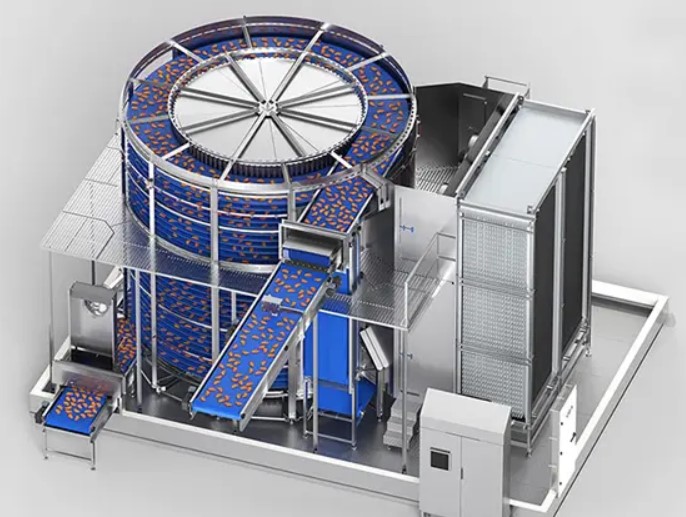
Key innovations include IQF, cryogenic, tunnel, and spiral freezers, which focus on hygienic design and automation. For instance, air defroster (ADF) and sequential defrost (SD) technologies allow freezers to operate longer without downtime by removing snow and frost during operation. These advancements reduce energy and water usage, aligning with sustainability goals. Additionally, optical sorting and inspection equipment with advanced cameras and sensors ensure consistent quality, addressing consumer expectations for premium frozen products.
Technological Advancements
Recent developments in freezing technology emphasize flexibility and efficiency. IQF systems, which freeze individual pieces of food to preserve texture and flavor, are increasingly automated to reduce labor dependency. Companies like Kronen are showcasing equipment with enhanced sanitary designs, ensuring compliance with stringent hygiene regulations like those enforced by the FDA and USDA. Remote equipment access is another emerging trend, enabling real-time troubleshooting and defect detection, which minimizes production delays and enhances quality control.
Energy efficiency is a critical focus. Sequential defrost technologies, for example, save energy by maintaining consistent freezing conditions, reducing operational costs for processors. These innovations are particularly impactful in the produce sector, where maintaining freshness and nutritional value is paramount. Moreover, modular systems allow processors to adapt machinery to various product types, from frozen fries to delicate berries, enhancing operational flexibility.Regional Dynamics
The Asia-Pacific region leads the frozen food processing machinery market, driven by rapid urbanization and rising disposable incomes in countries like China and India. Government support for food processing infrastructure in these regions is accelerating the adoption of advanced technologies. North America follows closely, with the U.S. leveraging its robust food tech ecosystem to integrate automation and sustainable solutions. Europe, meanwhile, is seeing growth in eco-friendly freezing technologies, spurred by regulatory pressures for reduced emissions and energy consumption.
Challenges and Critical Analysis
Despite the promise of these innovations, challenges remain. High capital costs for advanced freezing and sorting equipment can deter small and medium-sized enterprises (SMEs) from upgrading, potentially widening the gap between large corporations and smaller players. Additionally, while energy-efficient technologies reduce operational costs, their initial investment and maintenance requirements can strain budgets, particularly in developing regions with unreliable power grids.A critical concern is whether these technologies truly address consumer concerns about processed foods. While innovations improve efficiency and quality, the growing scrutiny of ultra-processed foods (UPFs) could dampen demand for certain frozen products. Manufacturers must balance technological advancements with consumer preferences for clean-label and minimally processed foods, which may require reengineering equipment to prioritize natural preservation methods over chemical additives.

Future Outlook
The frozen food processing machinery market is set to evolve with further integration of automation and AI-driven systems. Predictive maintenance and real-time analytics will enhance equipment reliability, while sustainable designs will align with global environmental goals. By 2033, advancements in cryogenic freezing and modular systems are expected to dominate, offering processors greater flexibility and lower environmental impact. As consumer preferences shift toward healthier options, machinery that supports organic and clean-label products will gain traction.