
Introduction
The dairy processing equipment market is experiencing robust growth, driven by rising global dairy consumption, technological advancements, and stringent food safety regulations. Valued at USD 13.38 billion in 2025, the market is projected to reach USD 17.27 billion by 2030, with a compound annual growth rate (CAGR) of 5.24%. This expansion reflects the industry's response to consumer demand for diverse, value-added dairy products and the need for efficient, sustainable processing solutions. This article explores the key drivers, technological innovations, regional trends, and challenges shaping the dairy processing equipment market, offering a critical perspective on its trajectory.
Market Drivers
The surge in dairy product consumption is a primary catalyst for market growth. Globally, dairy consumption is rising, particularly in developing regions like Asia-Pacific, Latin America, and Africa, where urbanization and increasing disposable incomes are boosting demand for milk, cheese, yogurt, and functional dairy products. For instance, the Food and Agriculture Organization predicts a 2.3% annual increase in dairy consumption in India, reaching 108 kg per capita by 2028. This growing demand necessitates advanced equipment to process raw milk into safe, shelf-stable products.
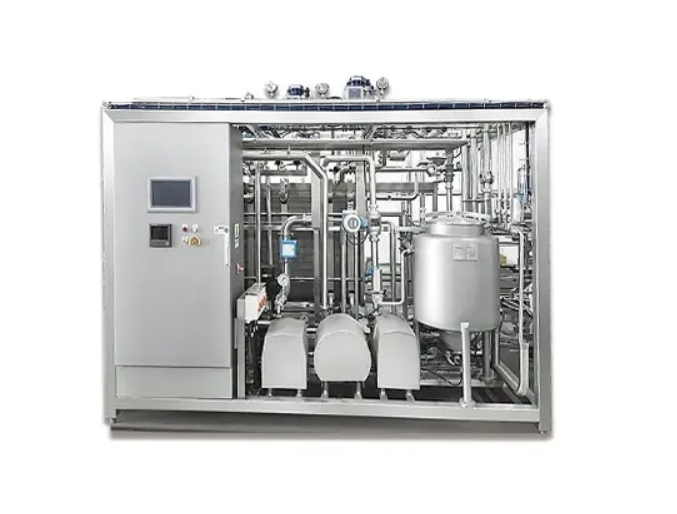
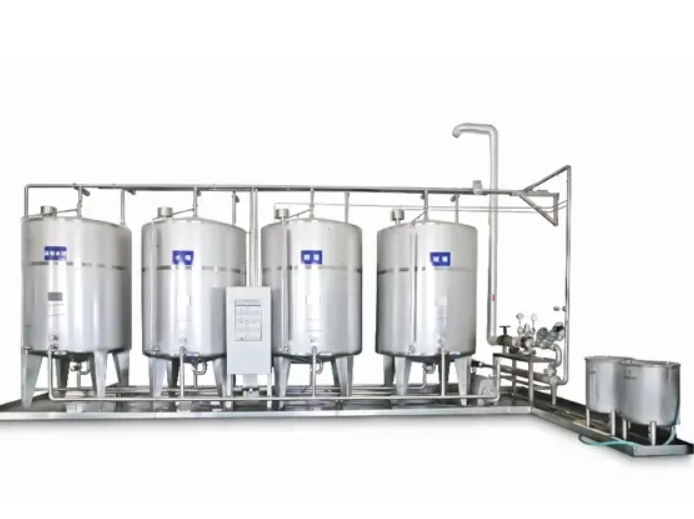
Stringent food safety regulations are another key driver. In regions like North America and Europe, compliance with FDA and EU standards requires equipment that ensures hygiene and traceability. Stainless steel pasteurizers, homogenizers, and clean-in-place (CIP) systems are increasingly adopted to meet these standards, reducing contamination risks and ensuring product safety. Additionally, consumer preferences for value-added products, such as flavored milk, lactose-free options, and functional dairy ingredients, are pushing manufacturers to invest in specialized equipment capable of handling diverse production needs.
Technological Innovations
Automation and Industry 4.0 technologies are transforming dairy processing. Automatic equipment, expected to dominate the market due to its efficiency and reduced labor costs, minimizes human contact during processing, enhancing food safety. For example, Tetra Pak’s advanced pasteurization systems integrate IoT and smart sensors to monitor production parameters in real-time, ensuring consistent quality and compliance with safety standards. Similarly, high-pressure processing (HPP) technology is gaining traction for its ability to extend shelf life without compromising nutritional value, particularly for premium dairy products like organic milk and yogurt.
Sustainability is another focus of innovation. Modern dairy processing equipment is designed to reduce water and energy consumption, aligning with environmental regulations and consumer demand for eco-friendly practices. GEA Group’s energy-efficient homogenizers, for instance, cut operational costs while meeting sustainability goals. Clean-in-place systems further enhance efficiency by automating cleaning processes, reducing downtime, and minimizing water usage. These advancements not only improve profitability but also address the environmental impact of dairy production, a critical concern given the industry’s high water and energy demands.
Regional Dynamics
Asia-Pacific is a key growth region, driven by rapid urbanization and rising dairy consumption in countries like India and China. India’s dairy sector, supported by government initiatives, is modernizing its processing infrastructure to meet domestic and export demands. In contrast, North America and Europe lead in technological adoption due to their mature markets and stringent regulations. The U.S., for instance, is a hub for automated dairy processing, with companies like Alfa Laval investing in modular systems that cater to both large-scale and niche producers.
Emerging economies in Latin America and Africa are also contributing to market growth. The modernization of dairy facilities in these regions, coupled with increasing demand for extended shelf-life products like UHT milk, is driving investments in advanced equipment. However, challenges such as high initial costs and limited access to skilled technicians can hinder adoption in these markets, particularly for small-scale processors.
Challenges and Critical Analysis
Despite its growth, the dairy processing equipment market faces several challenges. High capital costs for advanced equipment, such as automated pasteurizers and HPP systems, can be prohibitive for small and medium-sized enterprises (SMEs). This could lead to market consolidation, favoring large players like Tetra Pak and Alfa Laval, potentially stifling innovation from smaller firms. Additionally, the energy-intensive nature of dairy processing raises concerns about sustainability, particularly in regions with unreliable power supplies.A critical perspective reveals that while automation and sustainability are often touted as solutions, they do not fully address broader issues, such as the environmental footprint of dairy production. The industry’s reliance on water-intensive processes and the carbon emissions associated with large-scale dairy farming remain significant hurdles. Moreover, consumer trends toward plant-based alternatives could challenge the long-term demand for traditional dairy equipment, as manufacturers pivot to processing non-dairy milk and cheese substitutes.
Future Outlook
The dairy processing equipment market is poised for continued growth, with a projected value of USD 25.87 billion by 2032 at a CAGR of 6.50%. Innovations in automation, IoT integration, and sustainable technologies will drive this expansion. The rise of plant-based dairy products will also spur demand for versatile equipment capable of handling both traditional and alternative products. Manufacturers must focus on modular designs and energy-efficient solutions to remain competitive, while addressing the needs of emerging markets through affordable, scalable technologies.